

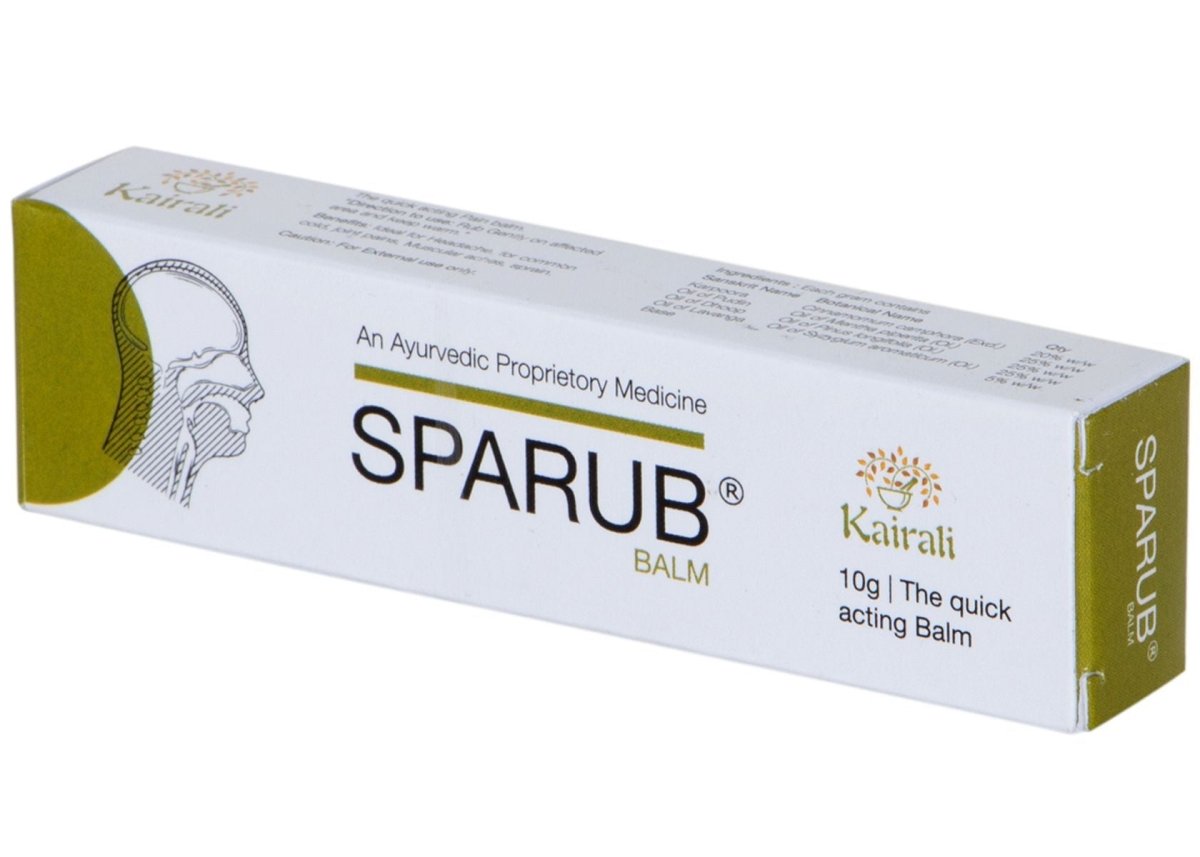
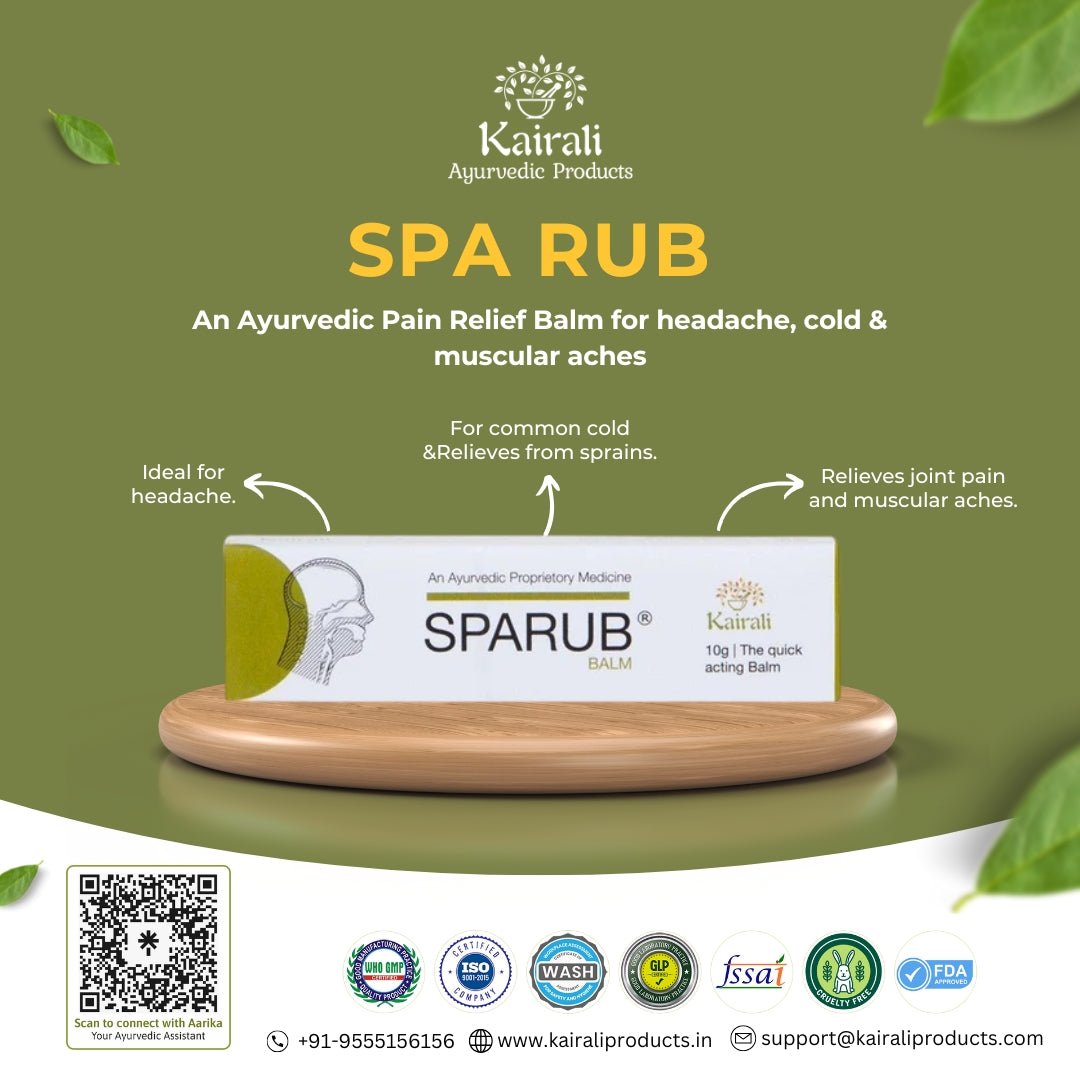
Spa Rub
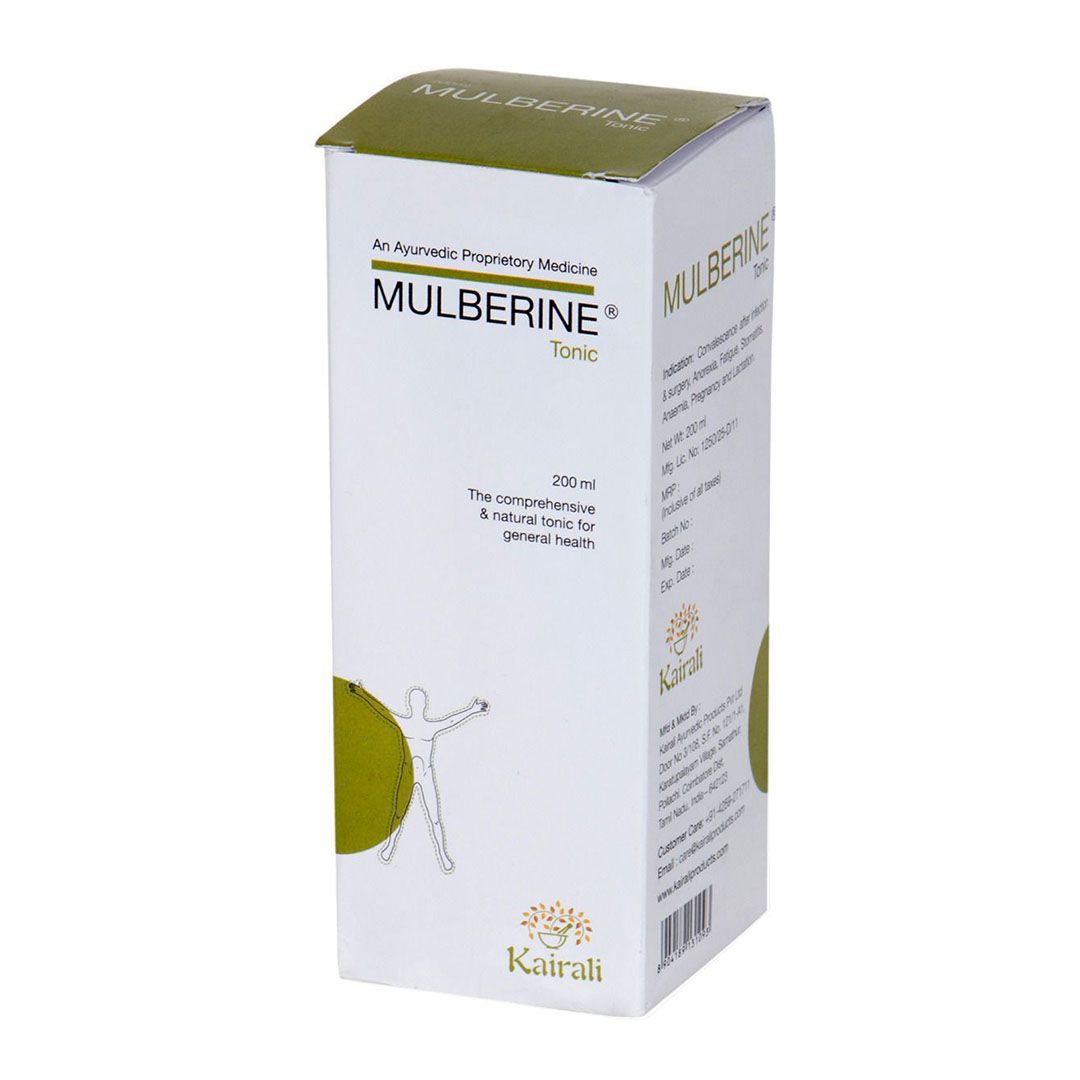
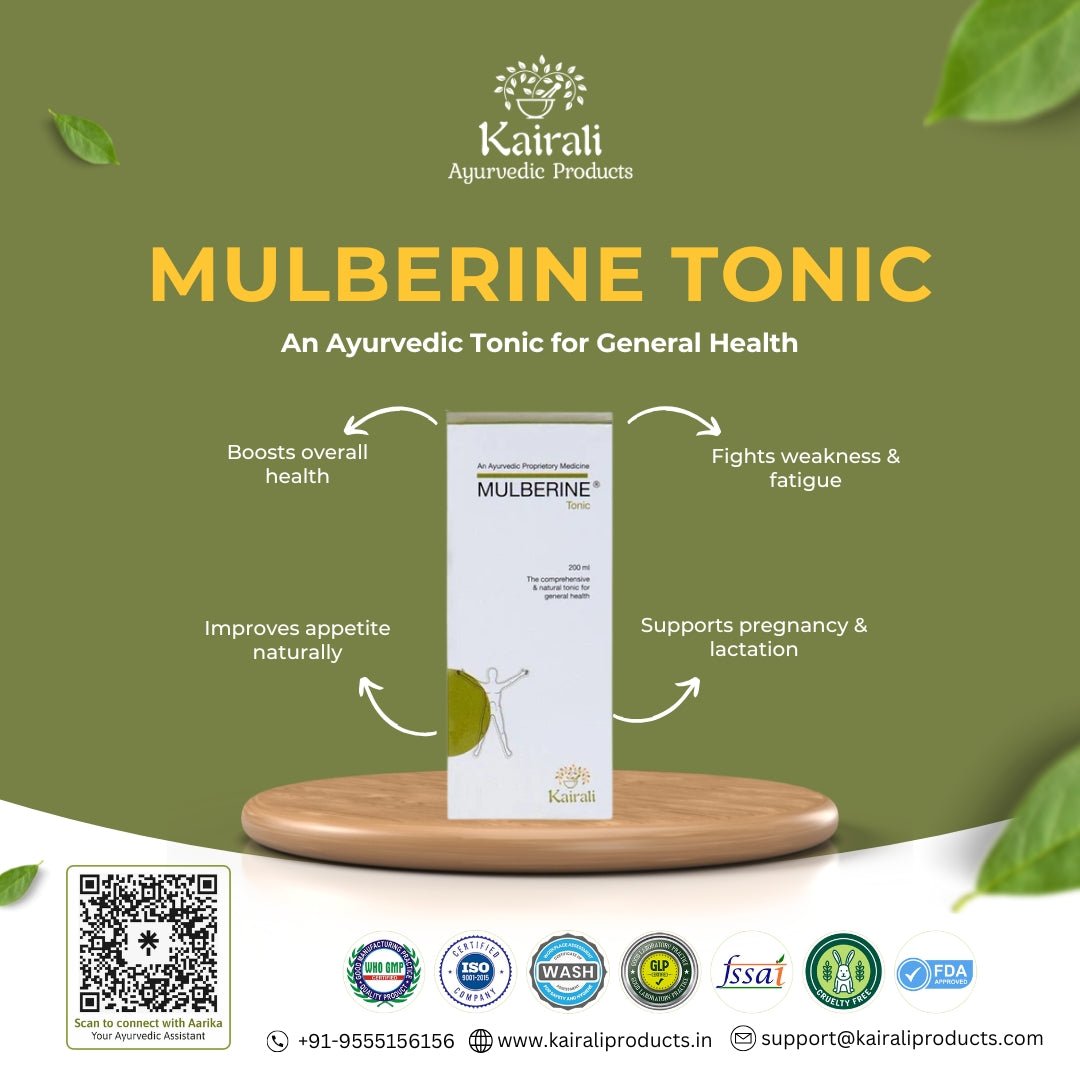
Mulberine Tonic
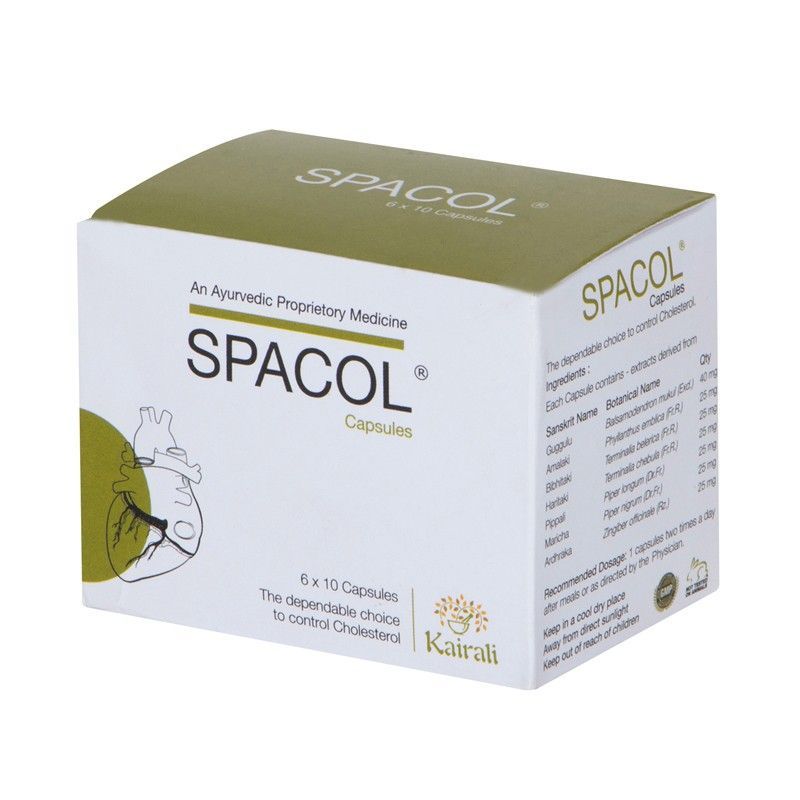
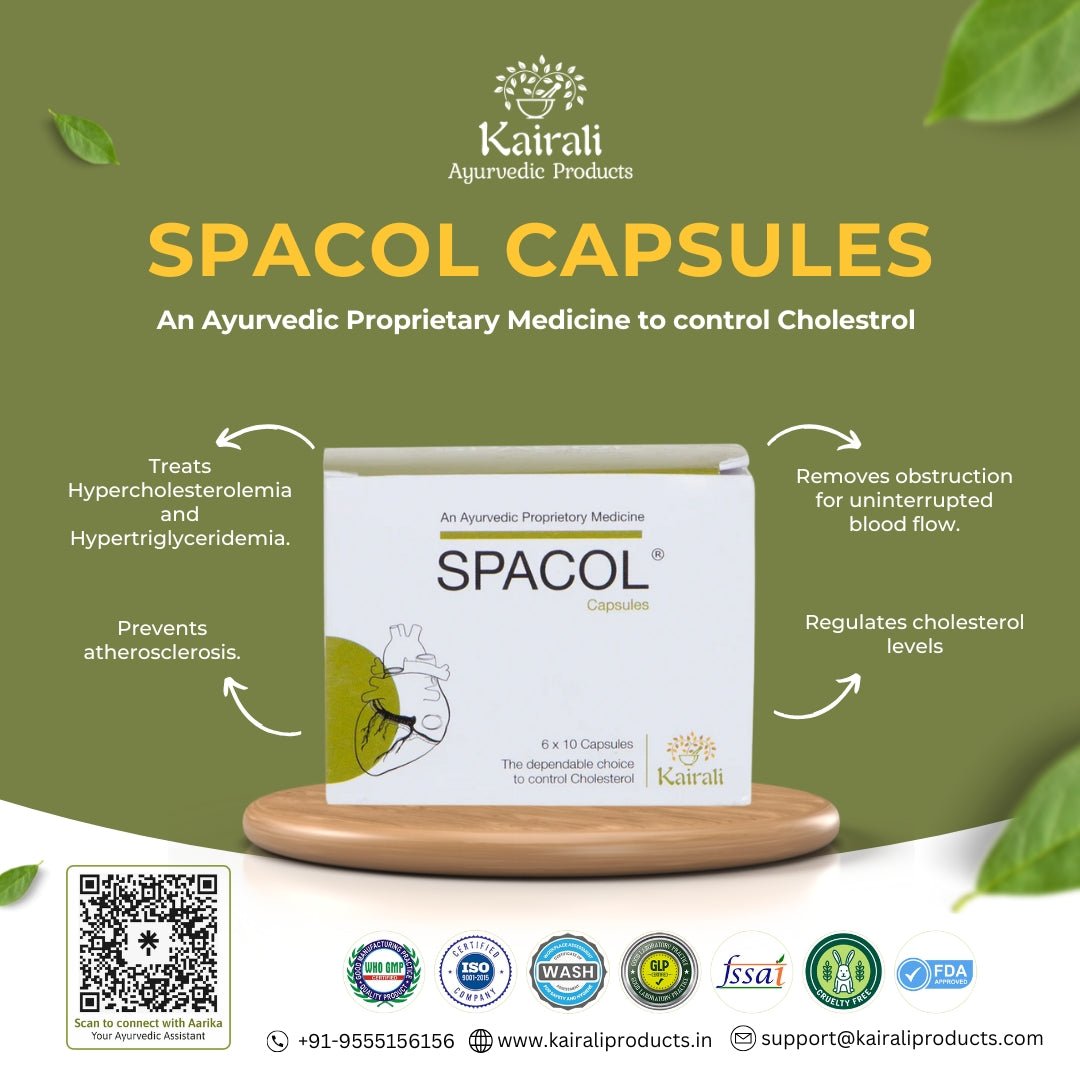
Spacol Capsules
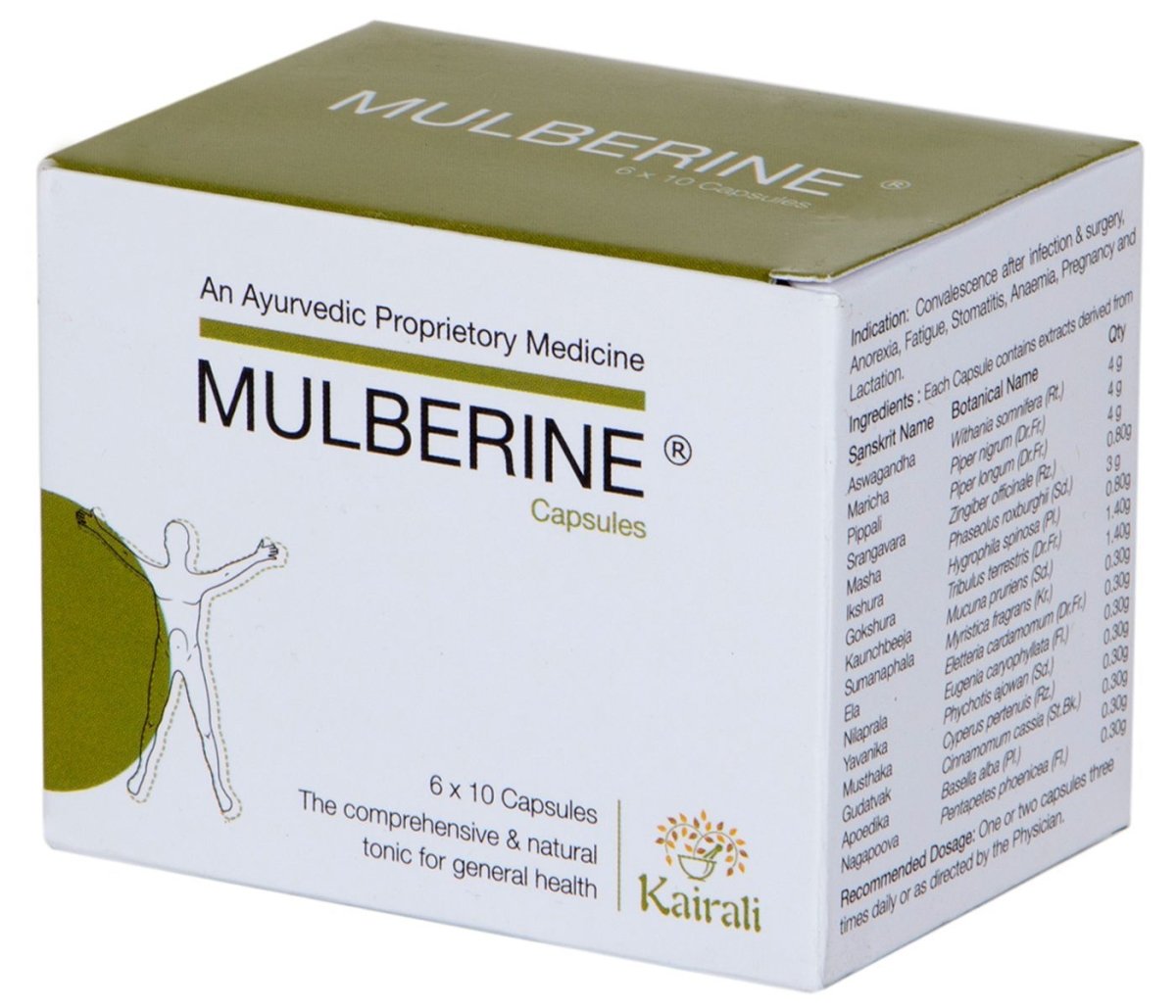
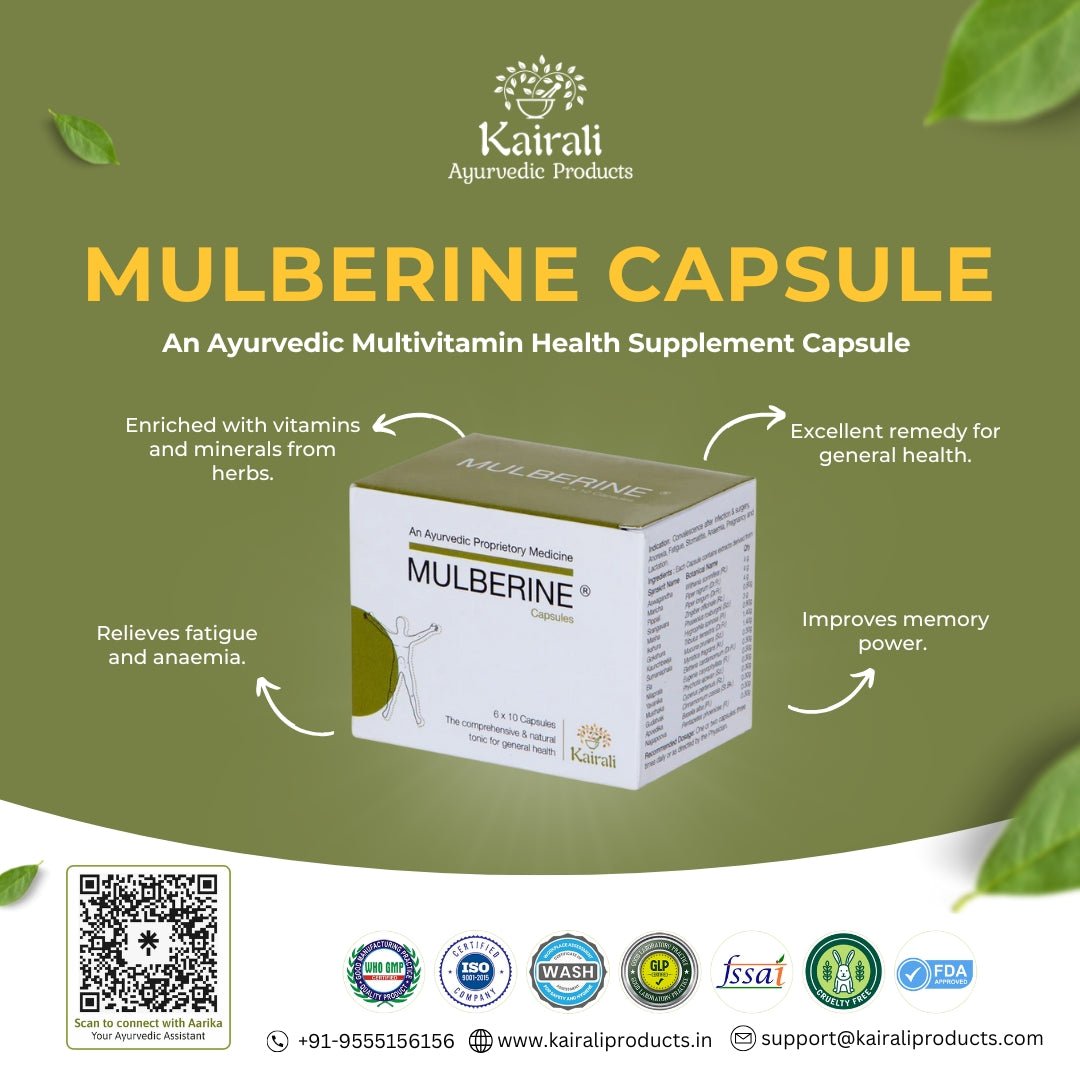
Mulberine Capsules
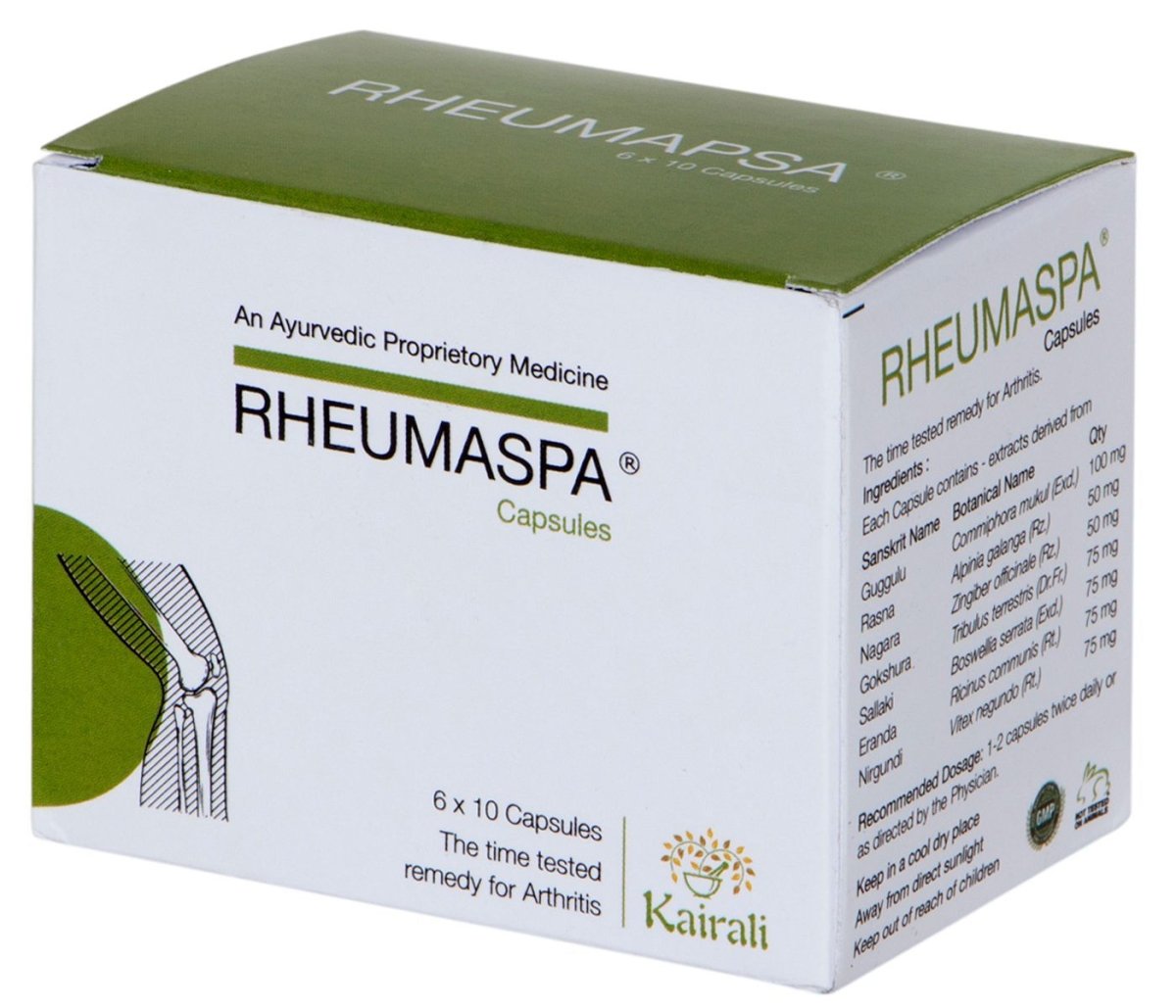
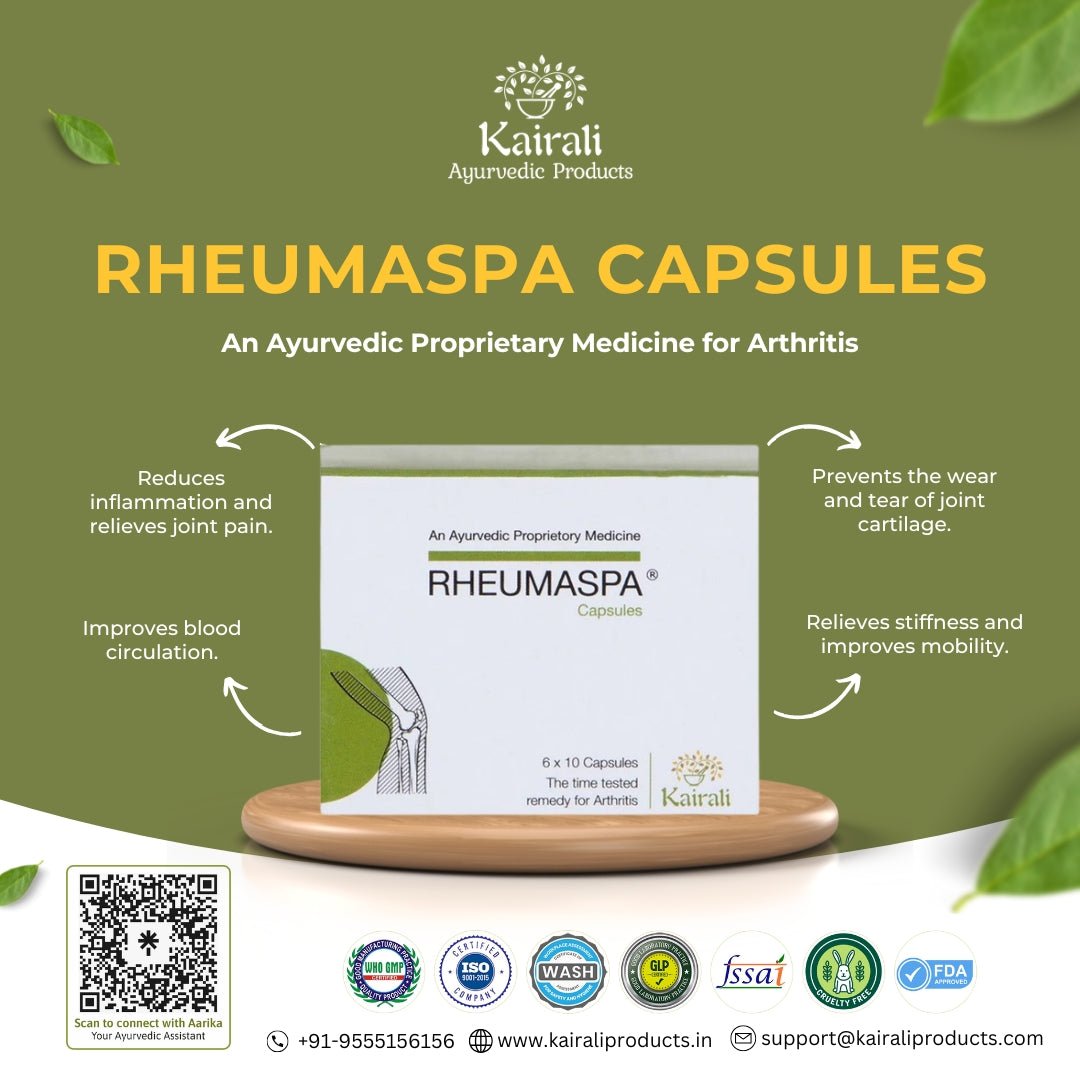
Rheuma Spa Capsules
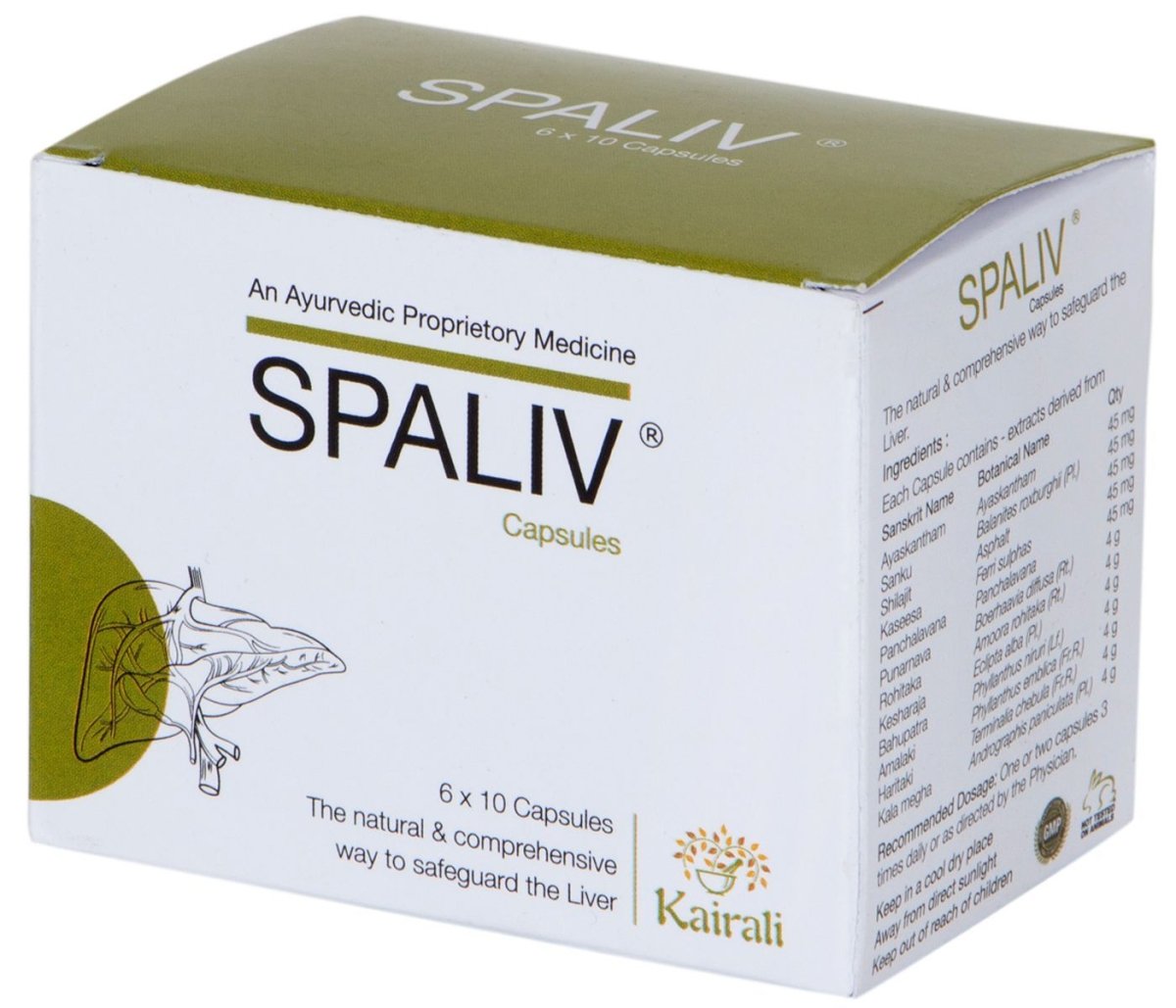
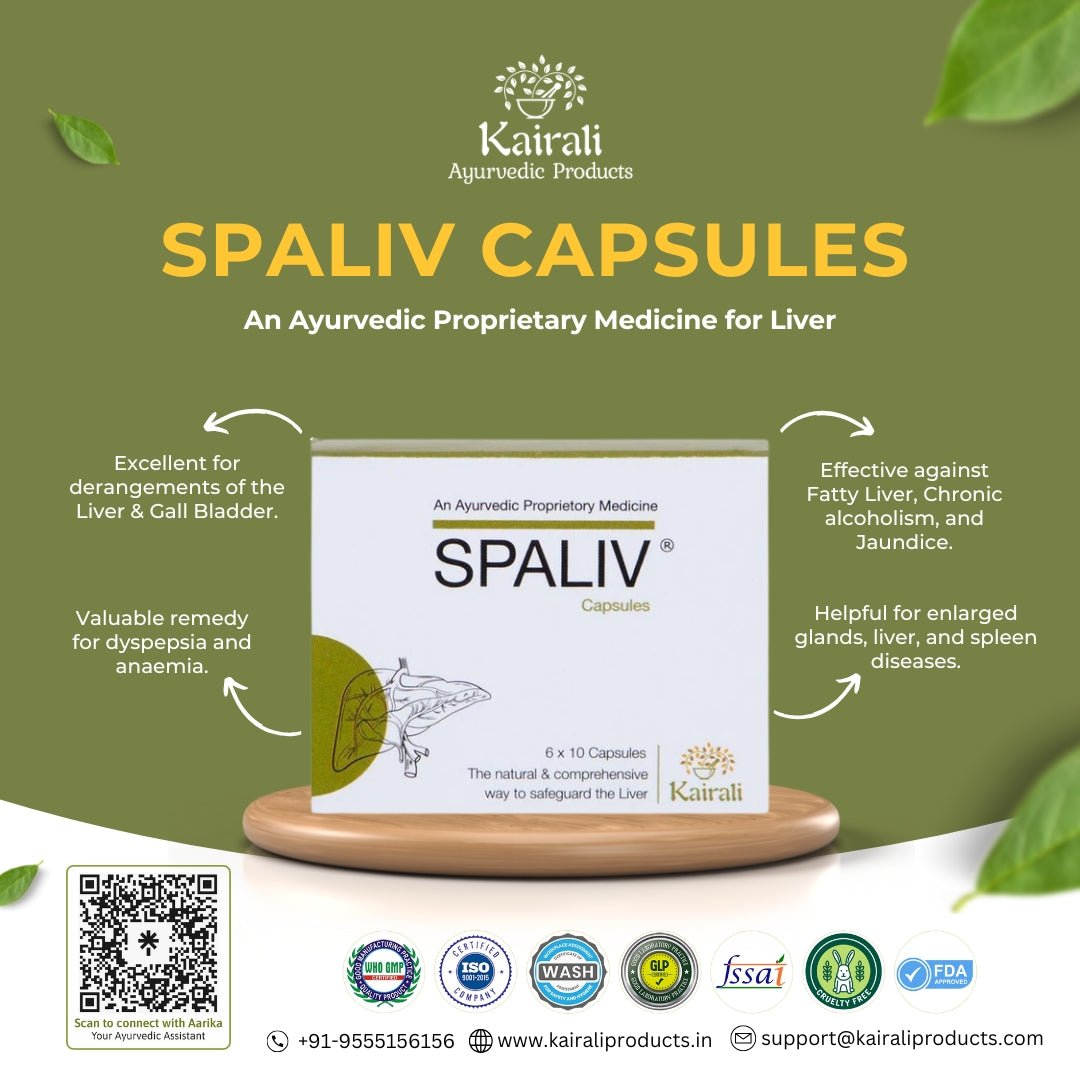
Spaliv Capsules


Diaspa Capsules
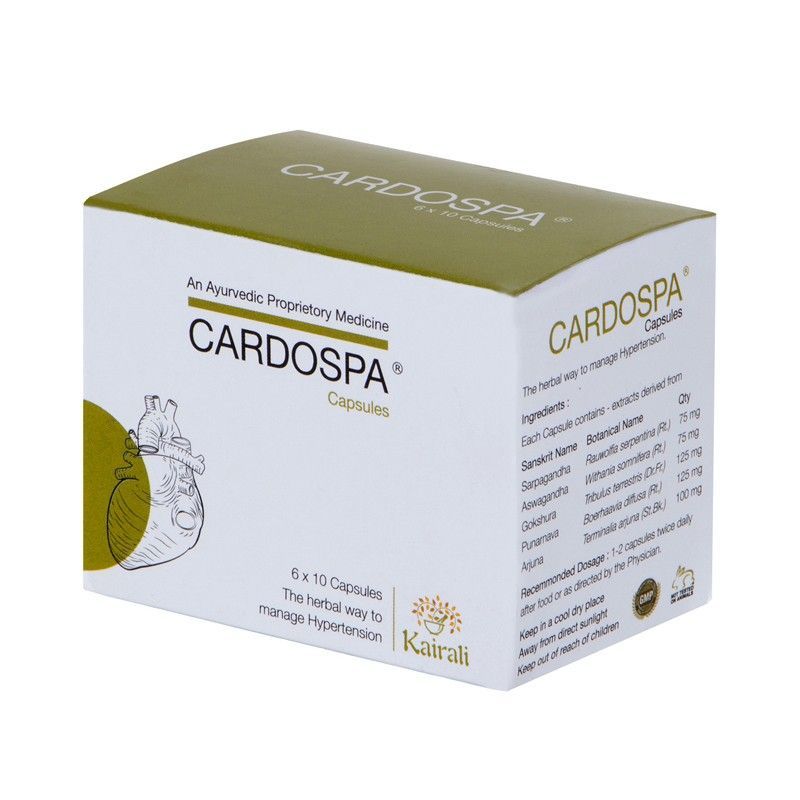
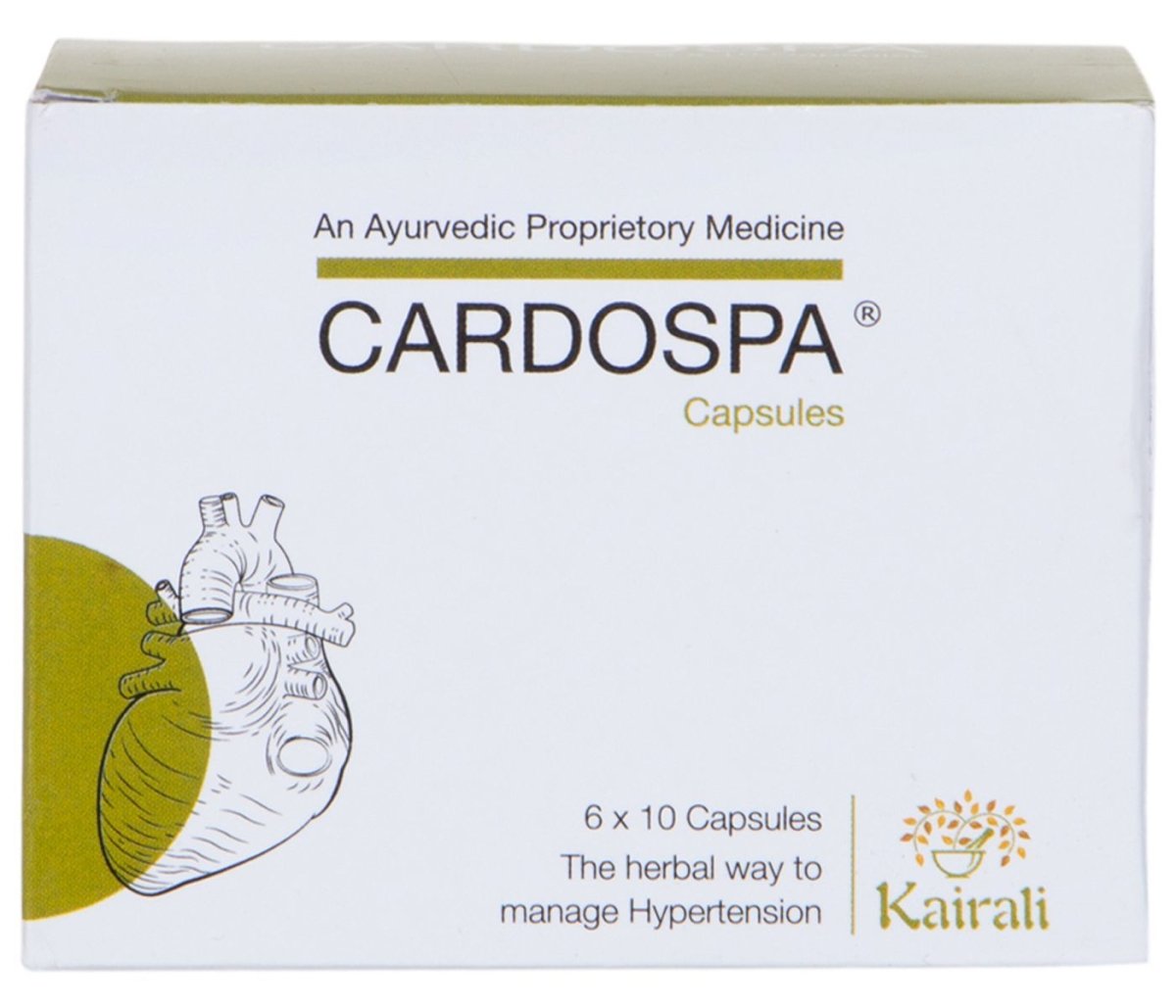
Cardospa Capsules
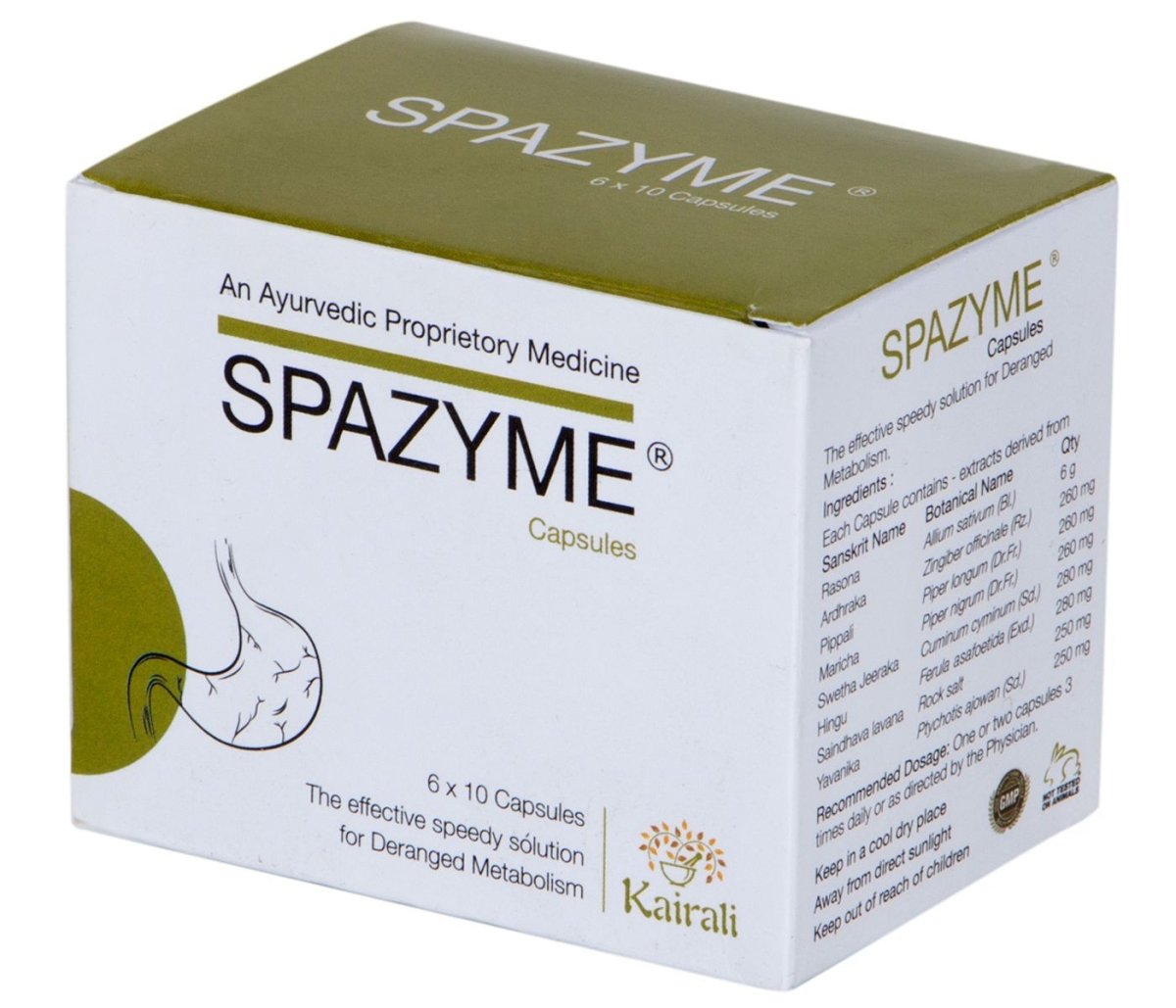
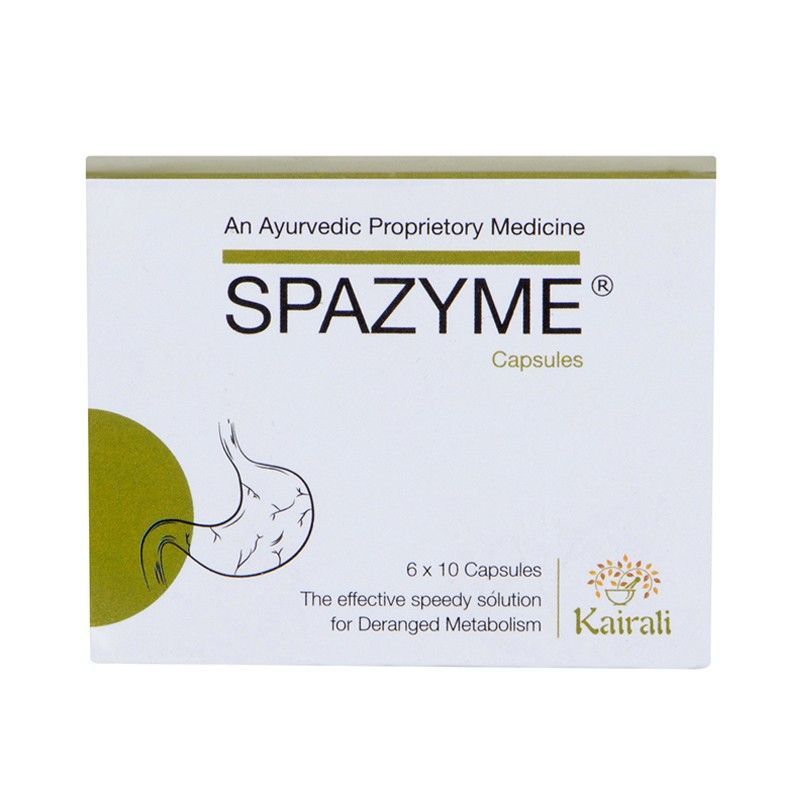
Spazyme Capsules
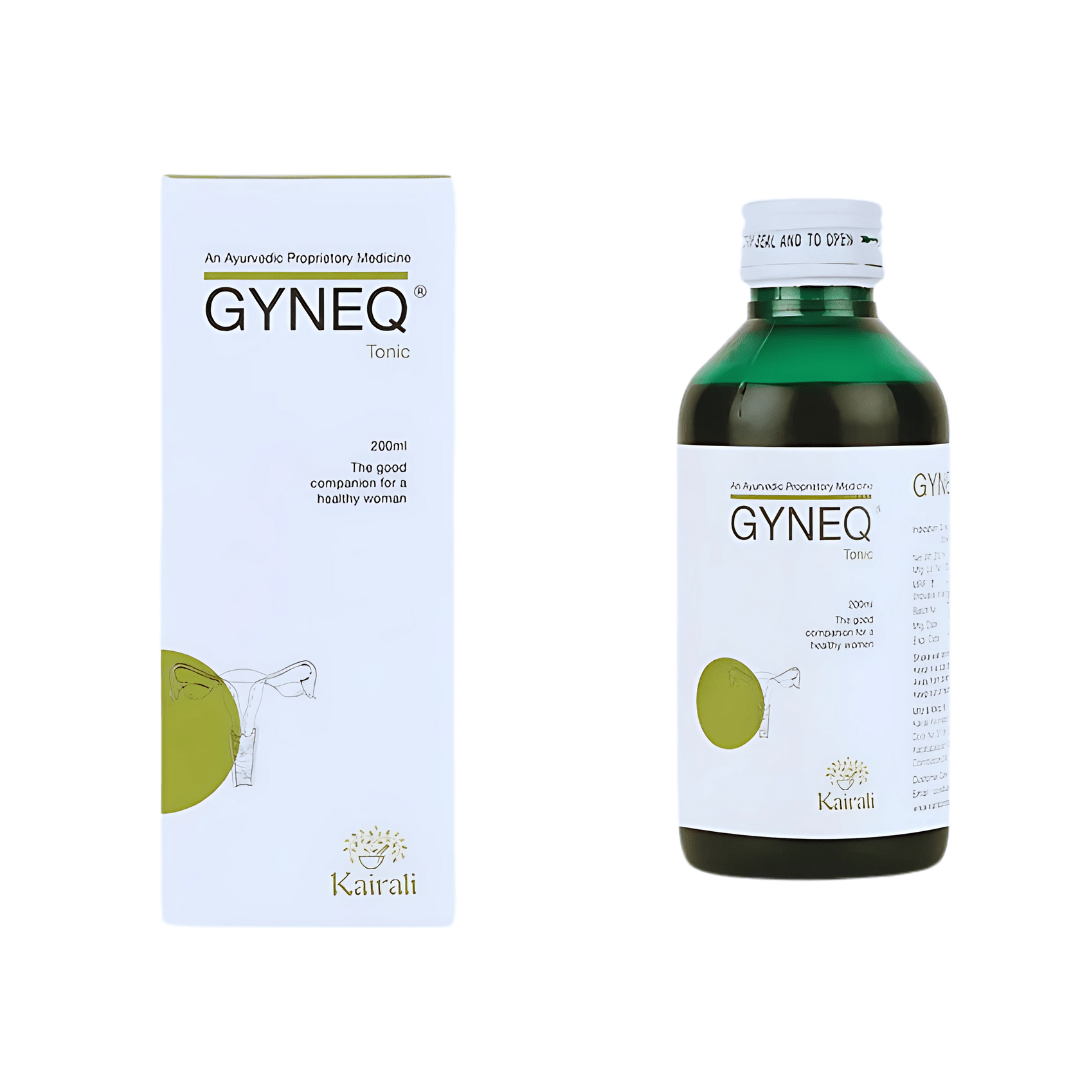
Gyneq Syrup
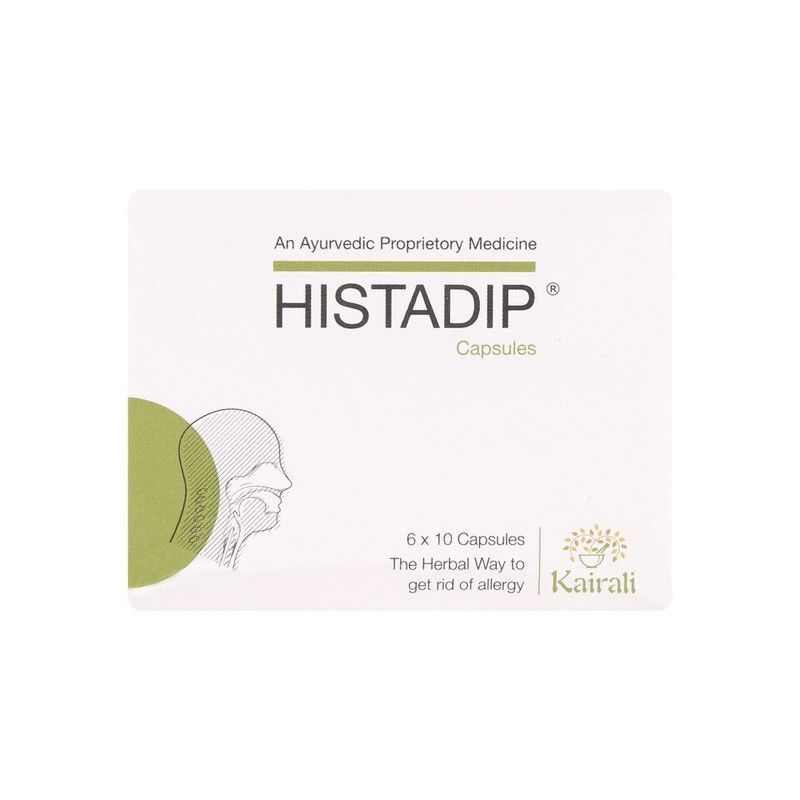
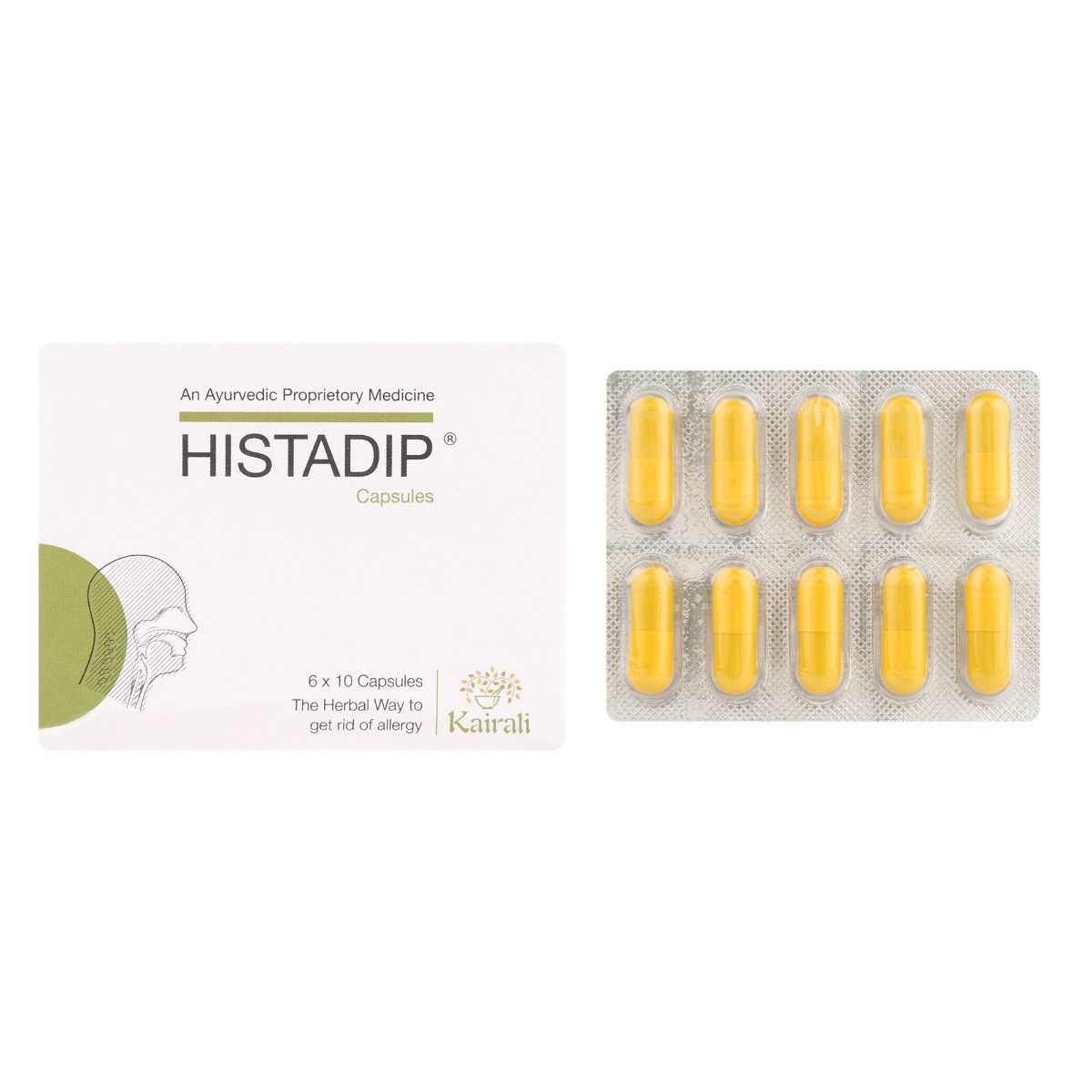
Histadip Capsules
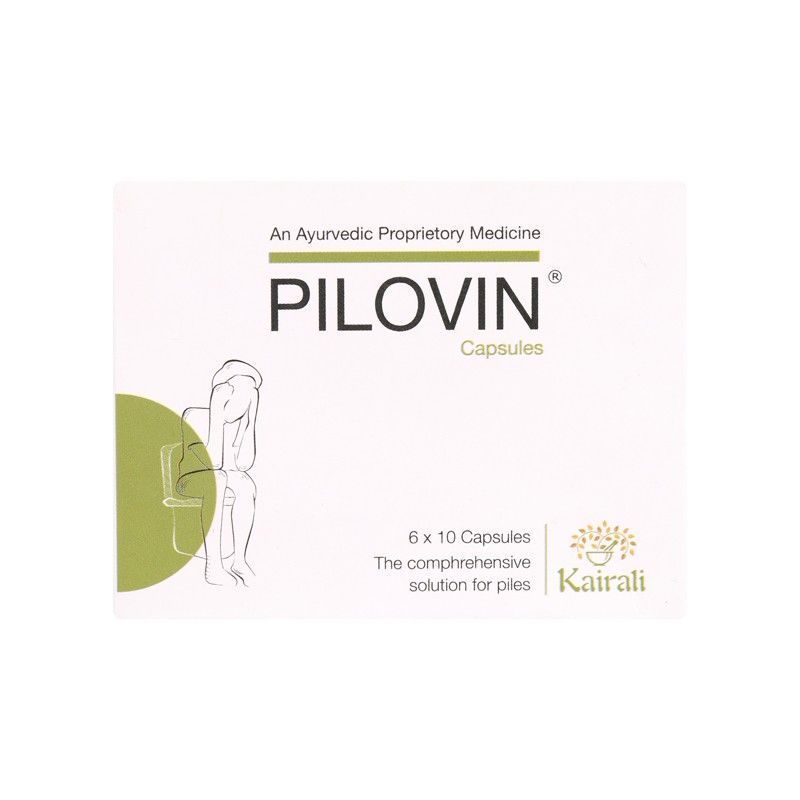
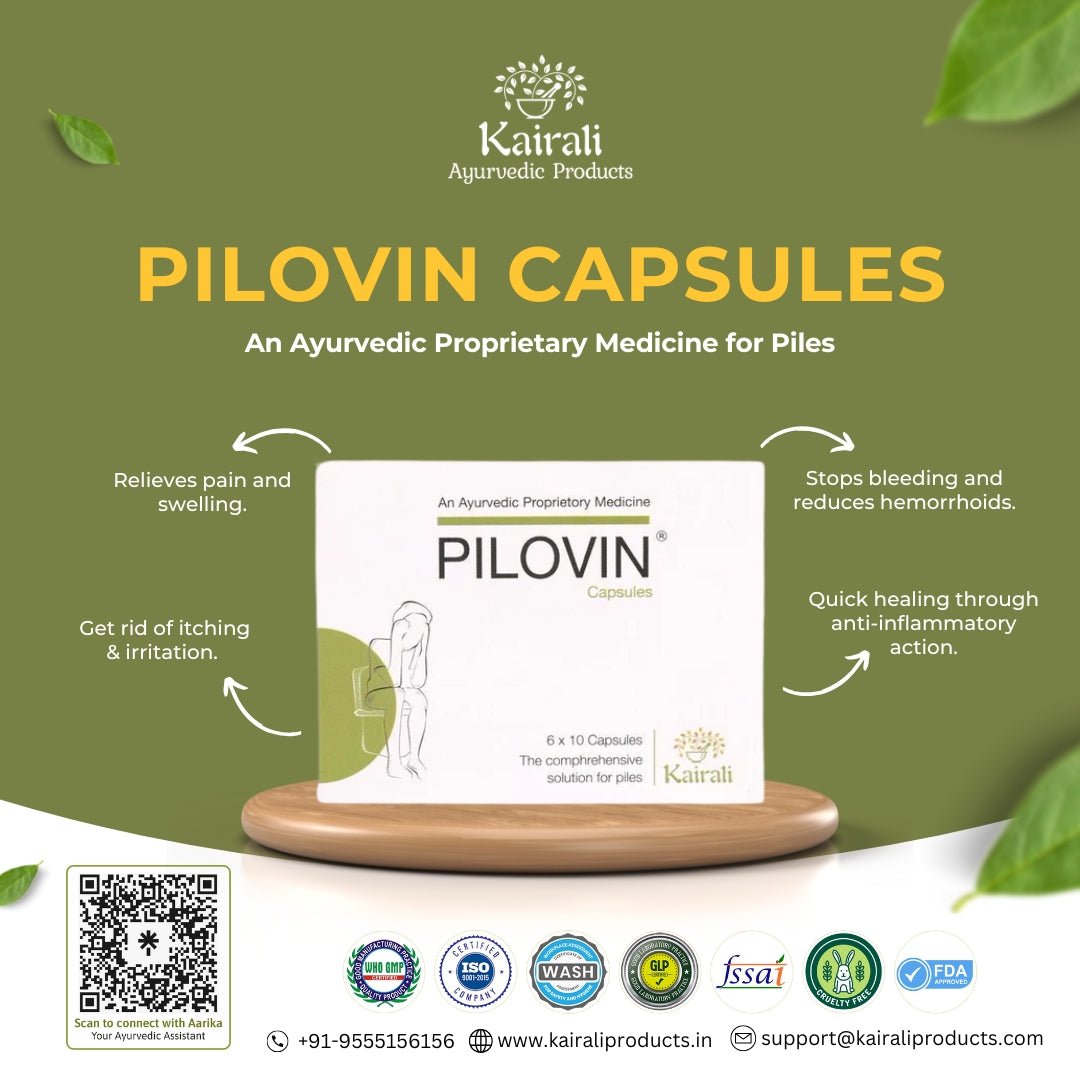
Pilovin Capsules
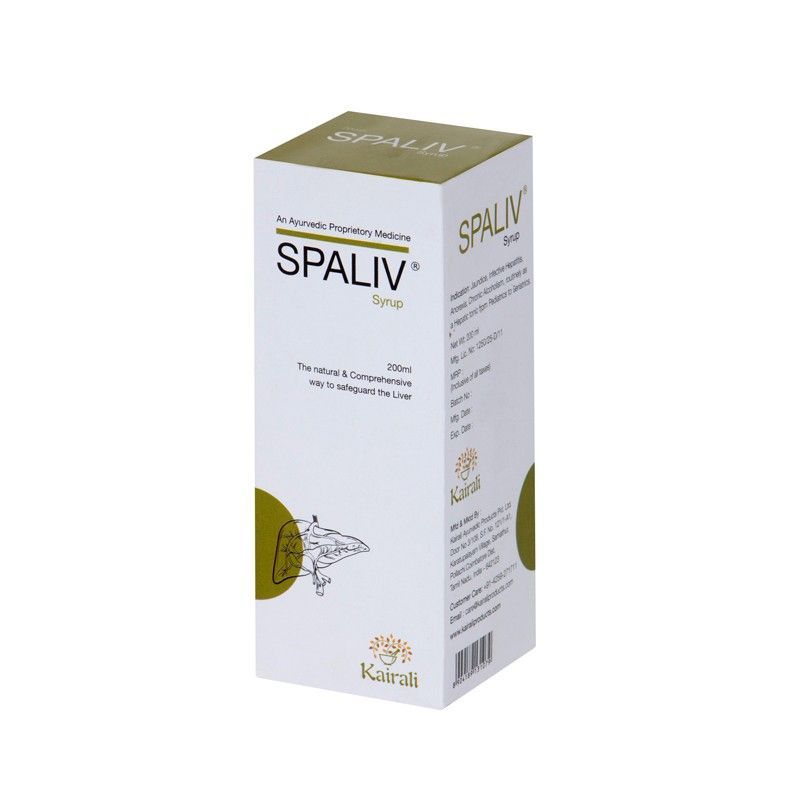
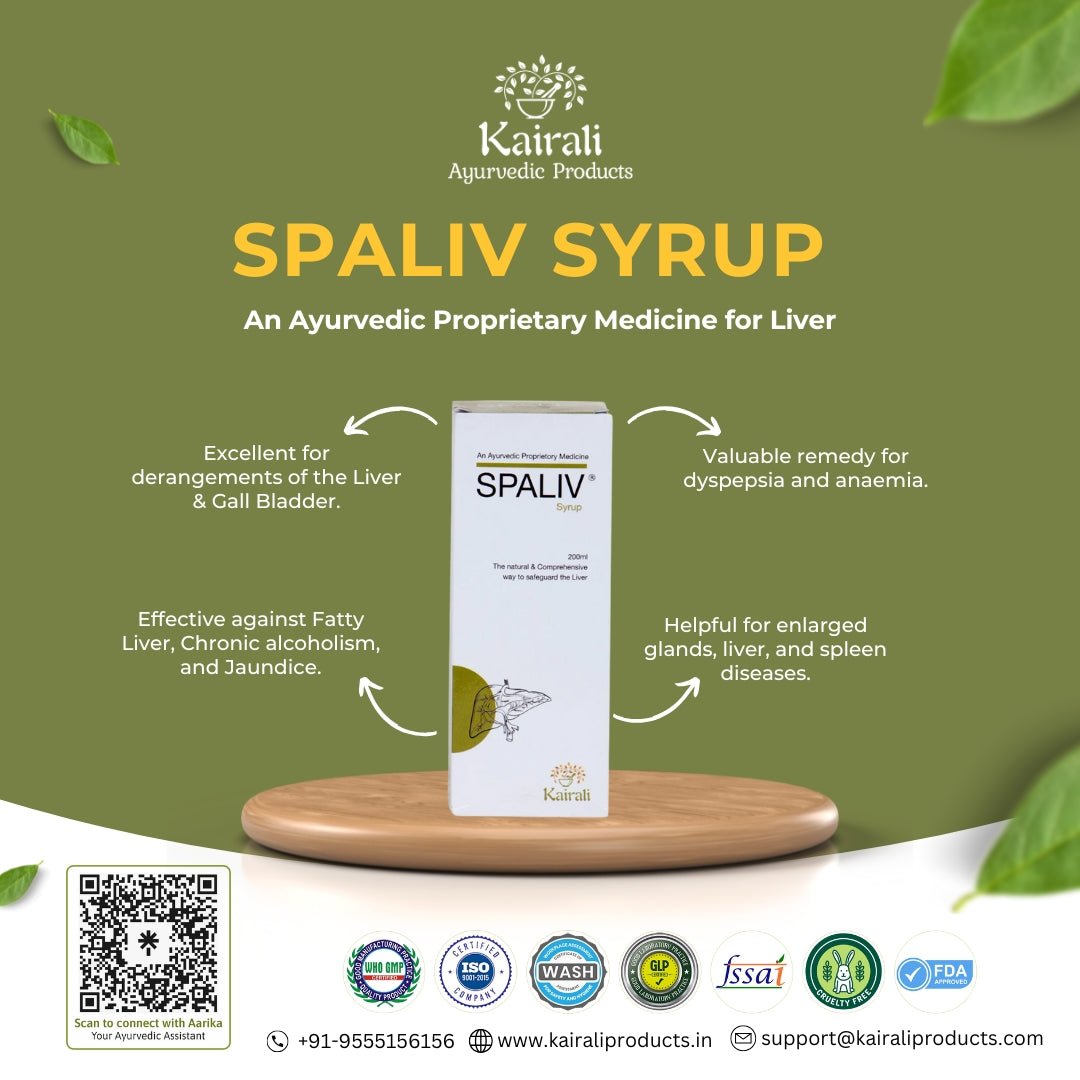
Spaliv Tonic
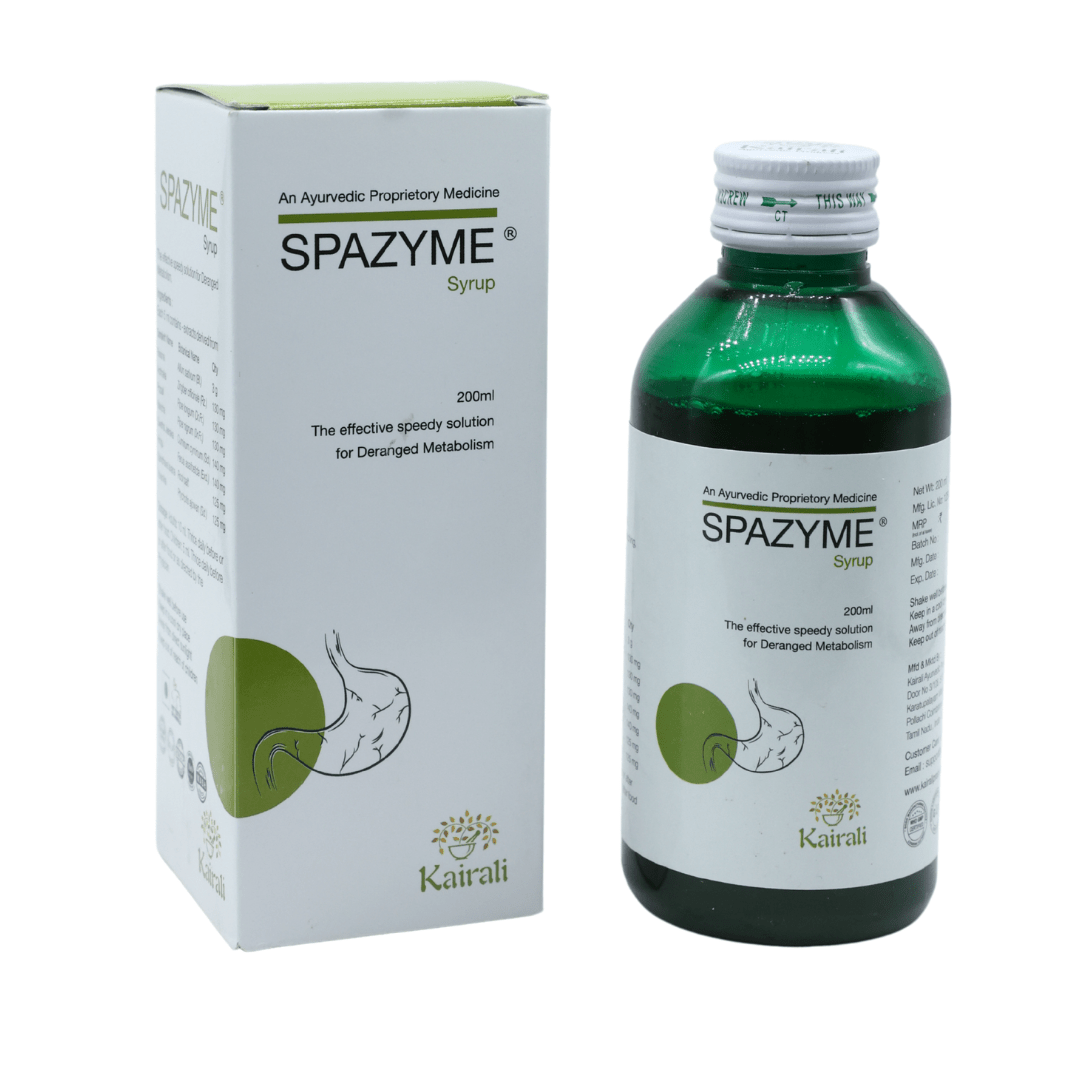
Spazyme Syrup
Classical and proprietary, and why a maker keeps both
A classical preparation follows a recipe set down in a text — the ingredients and proportions are not the manufacturer's to change, and that constraint is the whole point of the tradition. A proprietary preparation is the maker's own: developed in house, using the same materials and methods, but answering to Kairali rather than to Ashtanga Hridayam.
Both have an honest place. The classical formulations carry centuries of accumulated use, which is a kind of evidence a new product cannot have. The proprietary ones exist because modern life presents problems the texts did not anticipate, and because a capsule taken twice a day suits a working week in a way a decoction does not. What matters is that the distinction is stated rather than blurred, which is why these have a shelf of their own instead of being mixed into the classical range.
Three differences worth understanding
- The recipe's authority — Classical formulations answer to a text. These answer to Kairali's own formulary and R&D.
- The naming — Named for their purpose rather than in Sanskrit, which makes them easier to choose and harder to verify against a source.
- The format — Mostly capsules and syrups — chosen for a modern routine rather than inherited from one.
Always read the label and directions on the pack you receive, and speak with your physician before starting anything new — particularly if you are pregnant, nursing, managing a health condition or taking prescription medicine.