

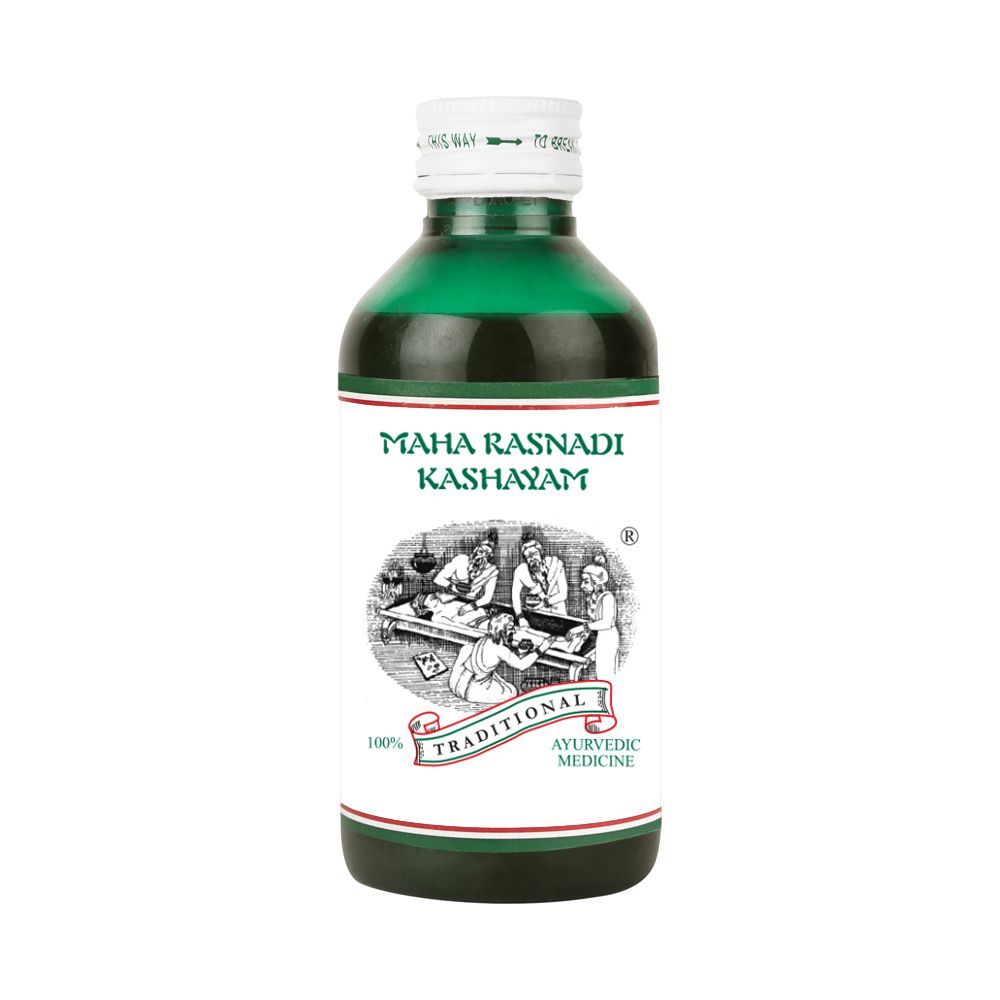
Maha Rasnadi Kashayam (Valiya Rasanadi Kashayam)
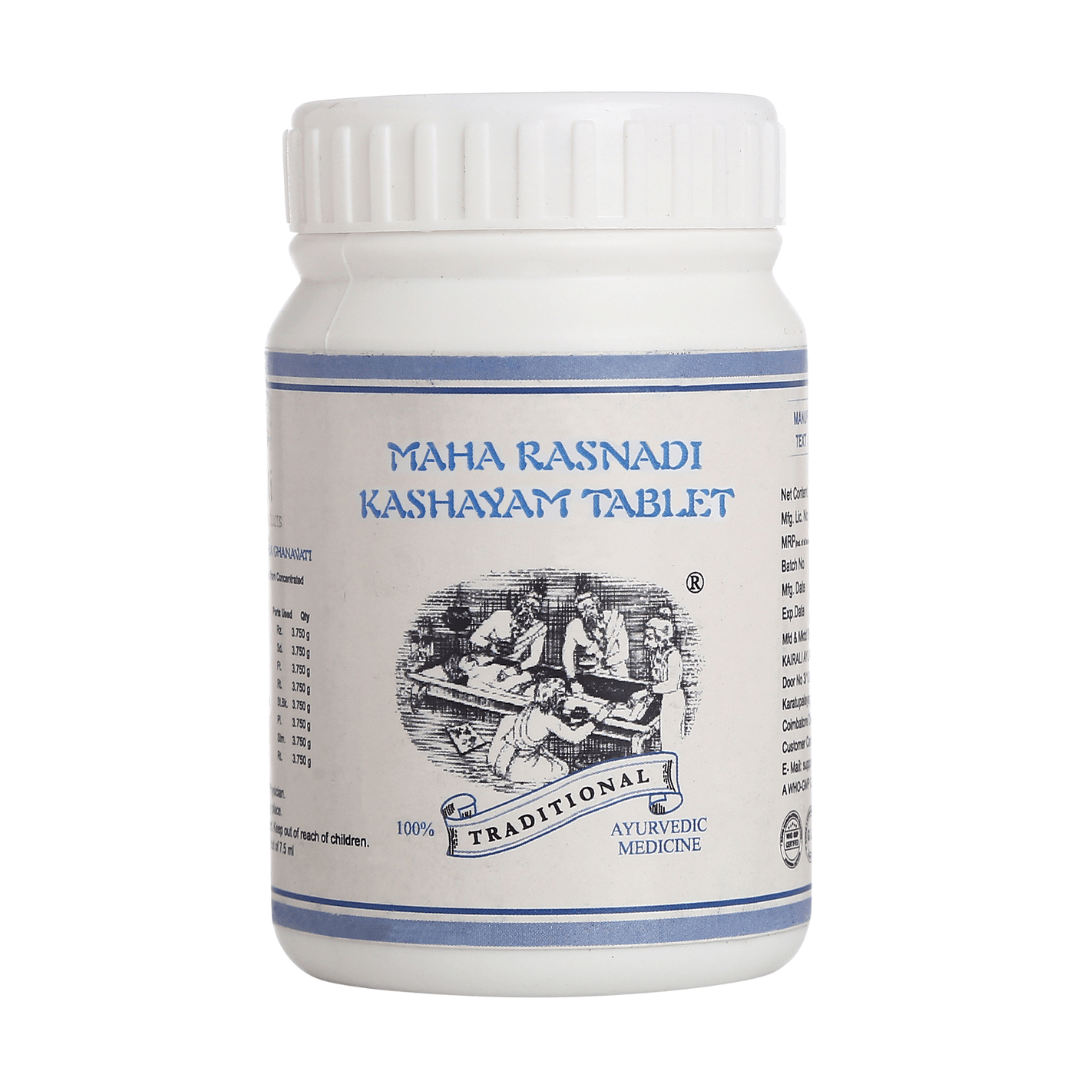
Maharasnadi Kashayam Tablet
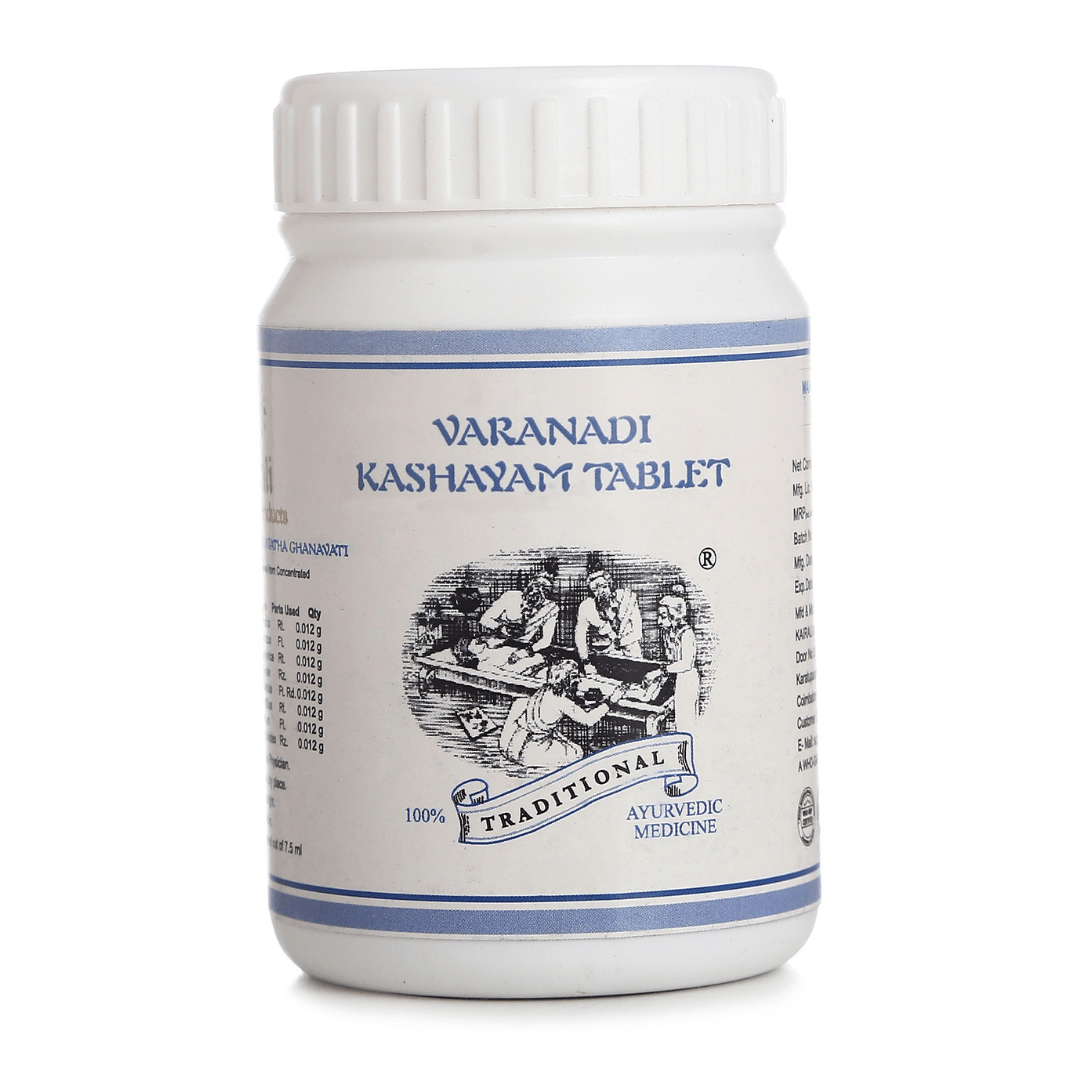
Varanadi Kashayam Tablet
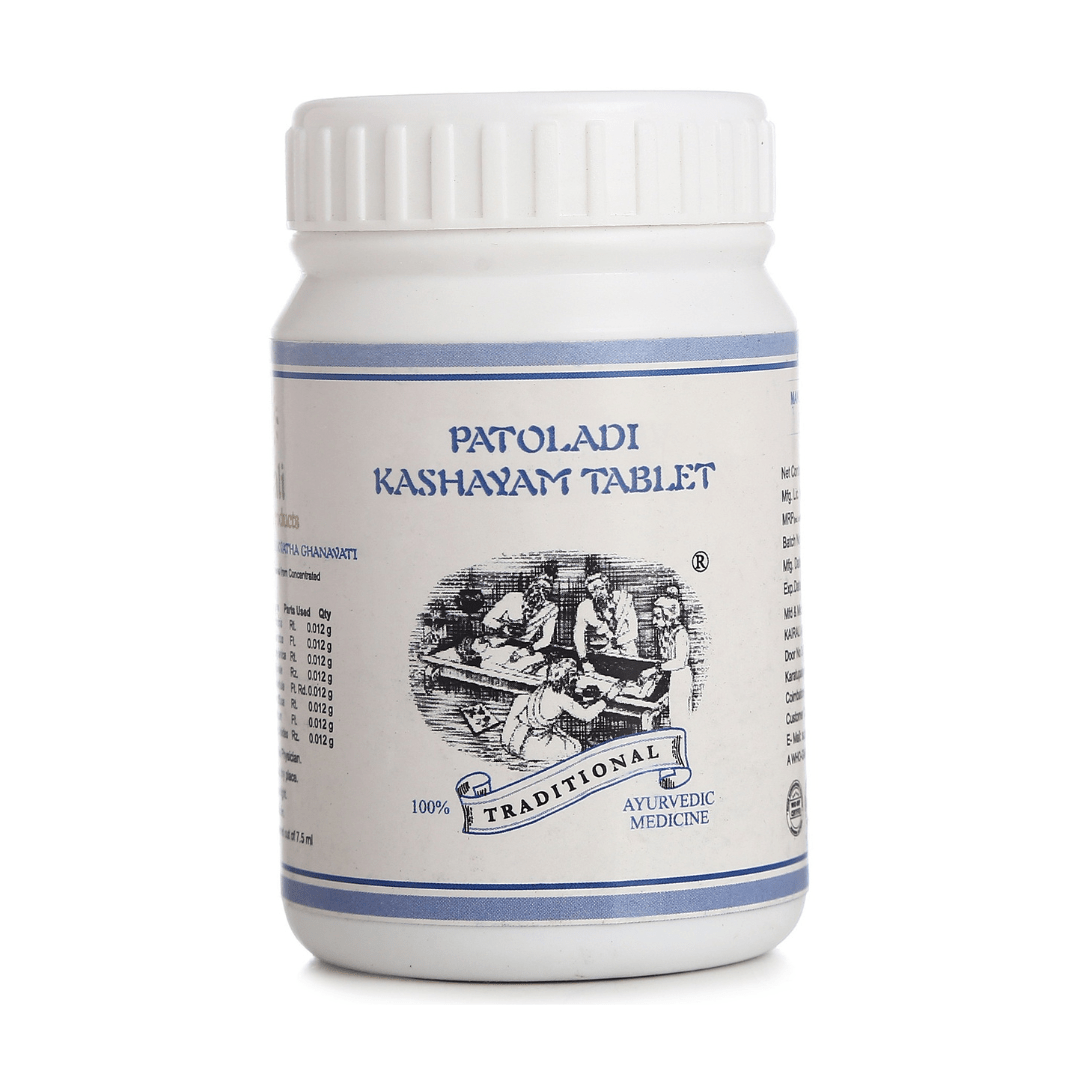
Patoladi Kashayam Tablet
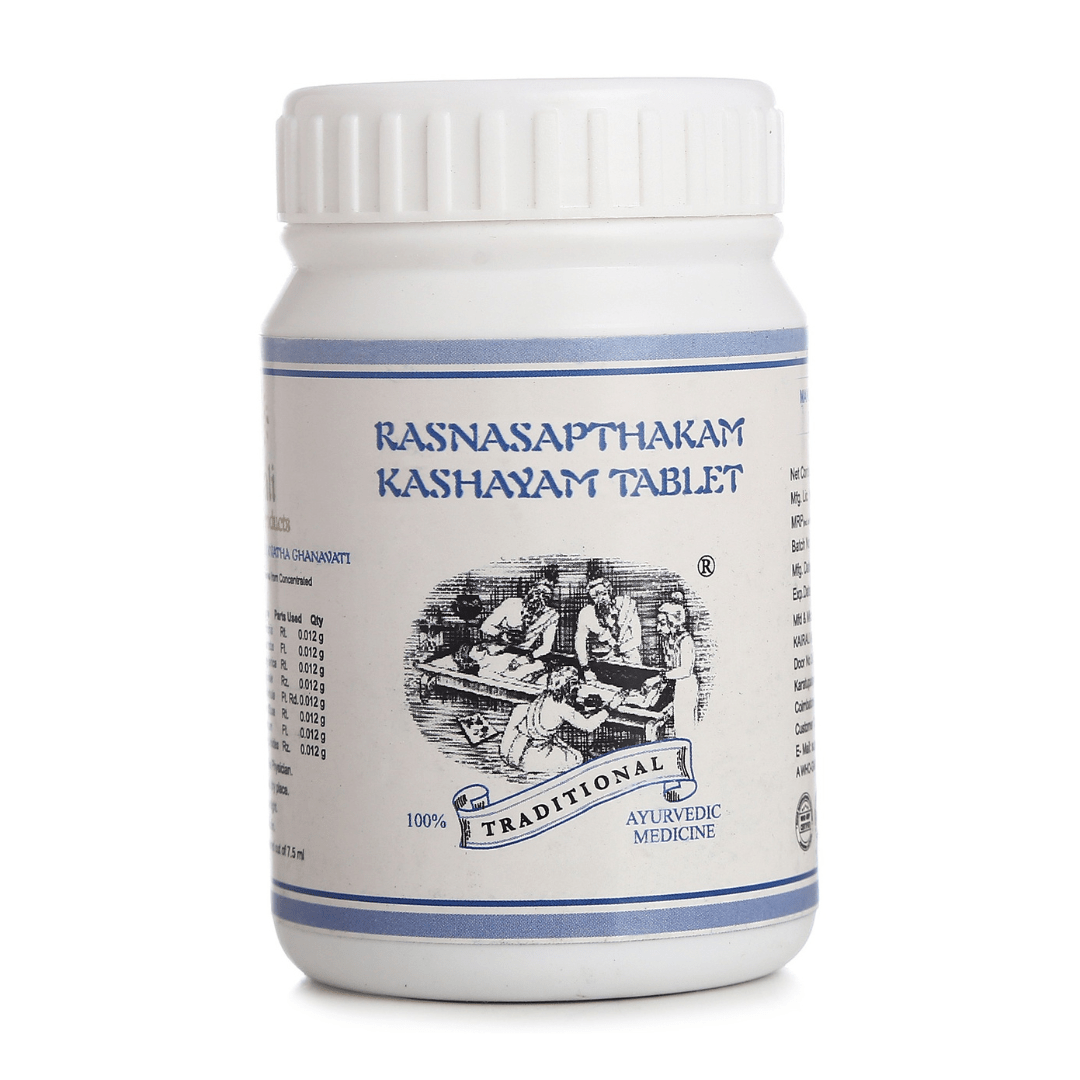
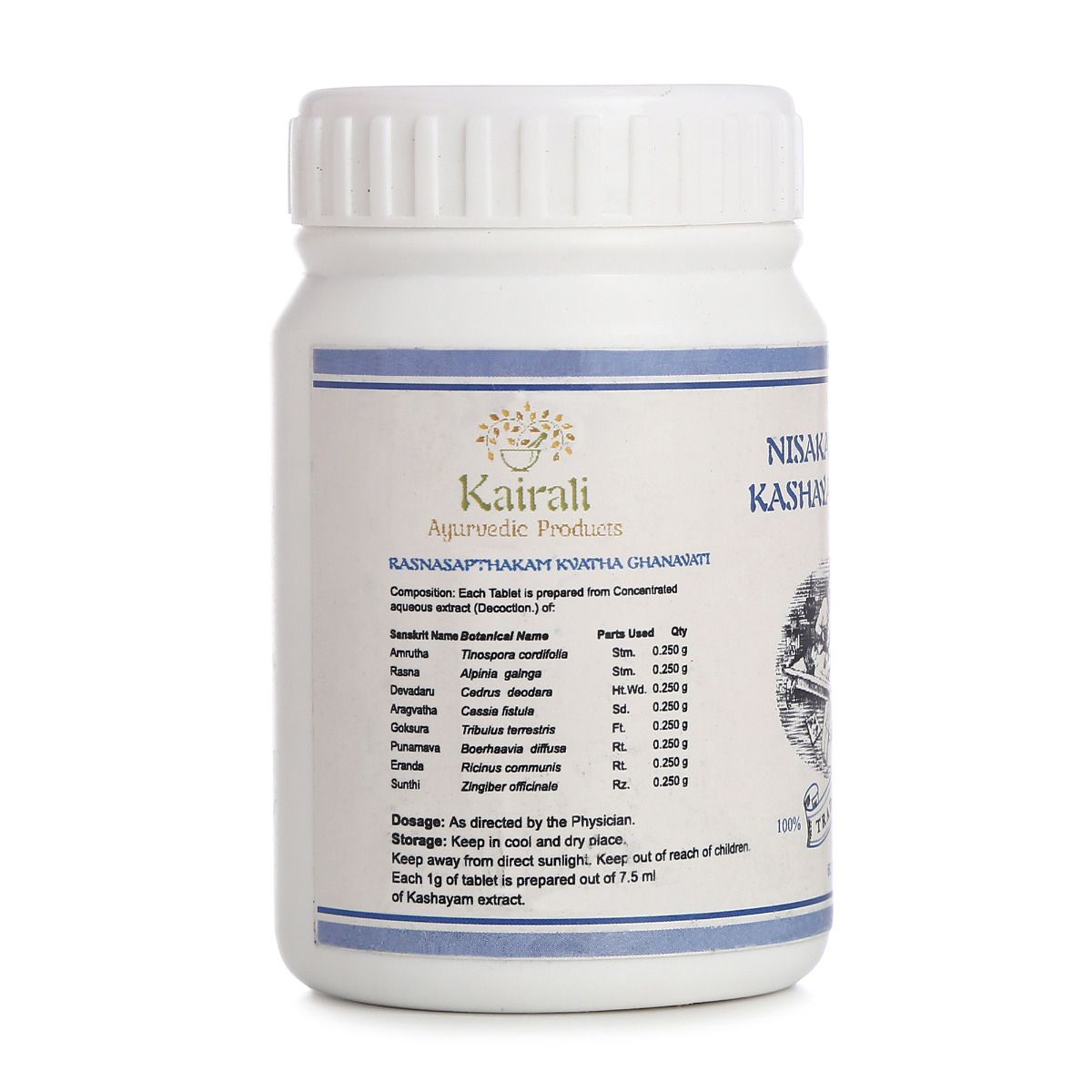
Rasnasapthakam Kashayam Tablet
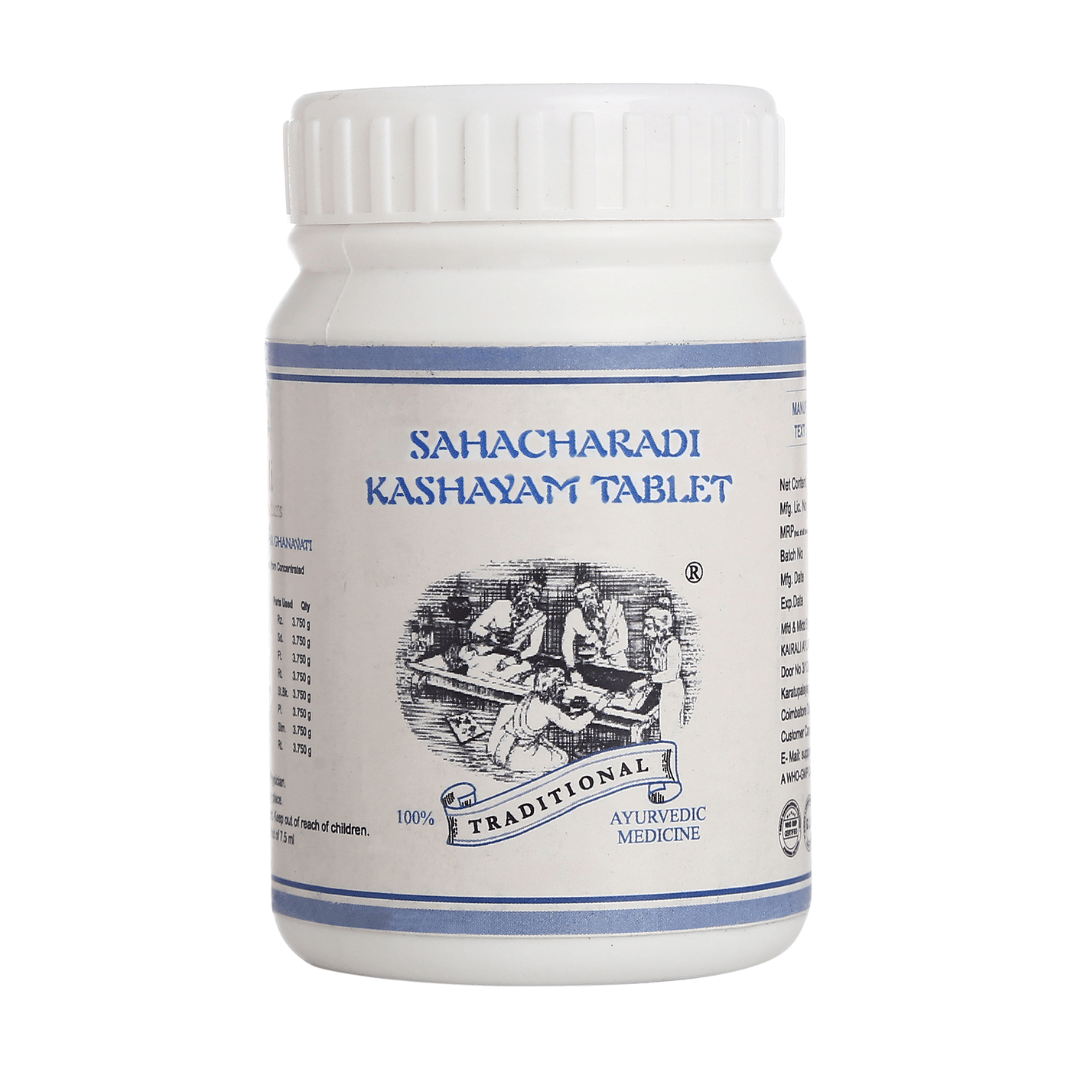
Sahacharadi Kashayam Tablet
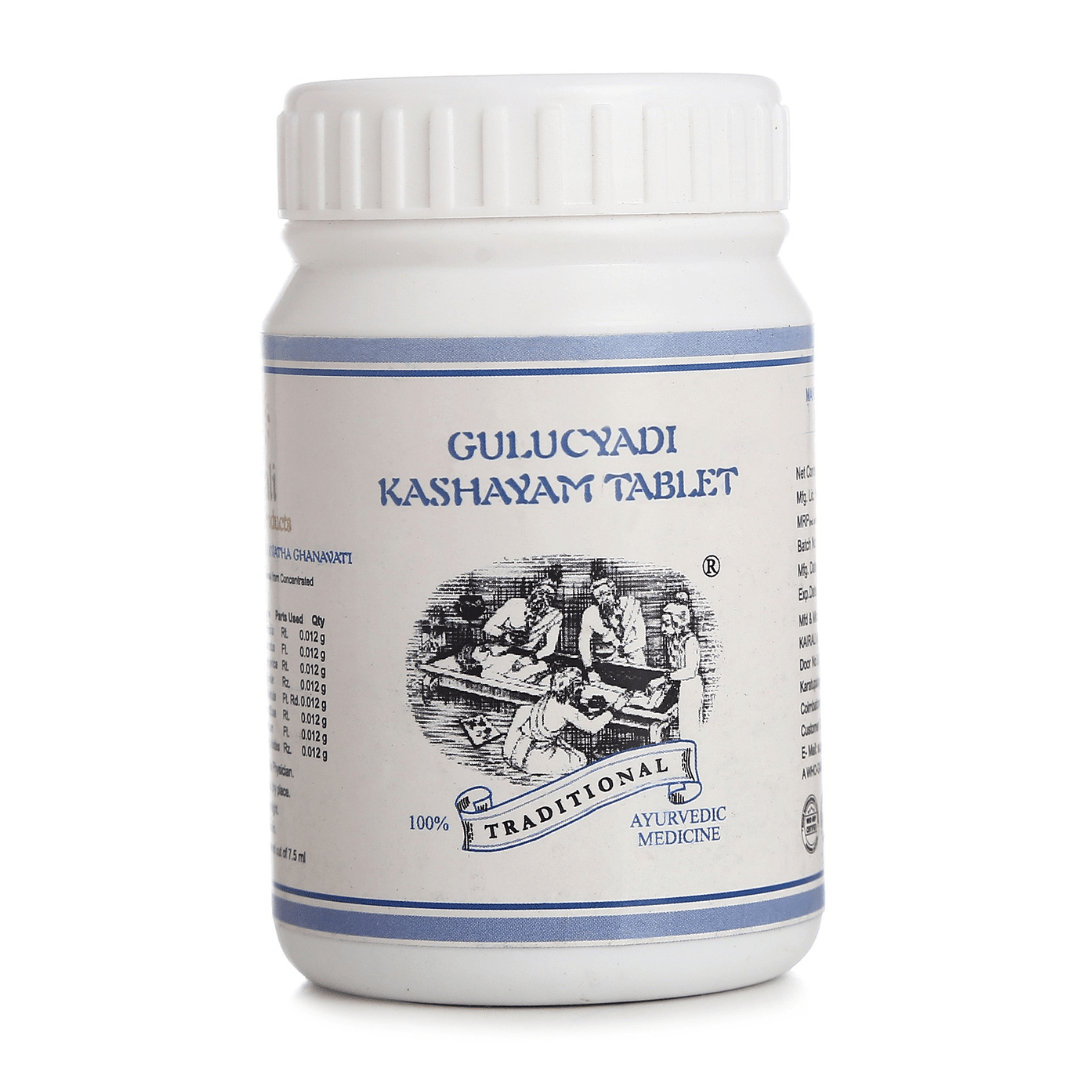
Guluchyadi Kashayam
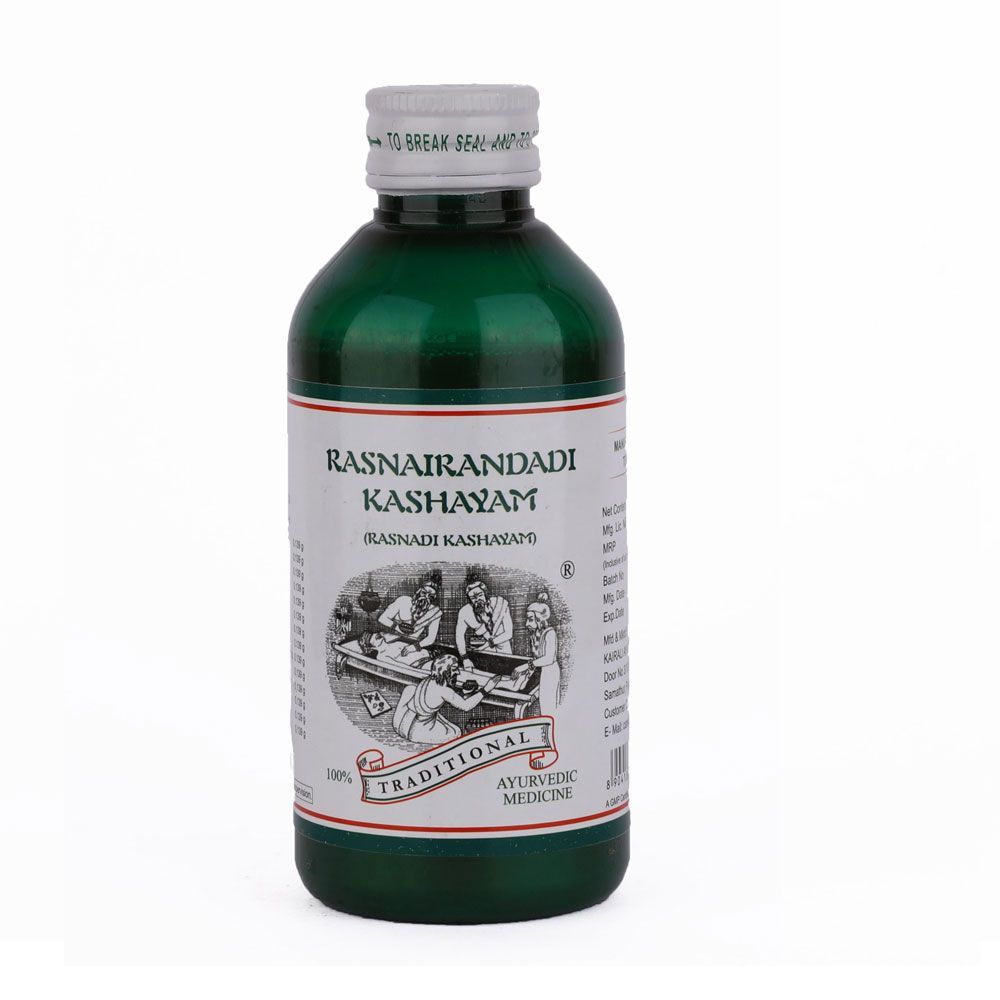
Cheriya Rasnadi Kashayam (Rasnairandadi Kashayam)
Chiruvilwadi Kashayam
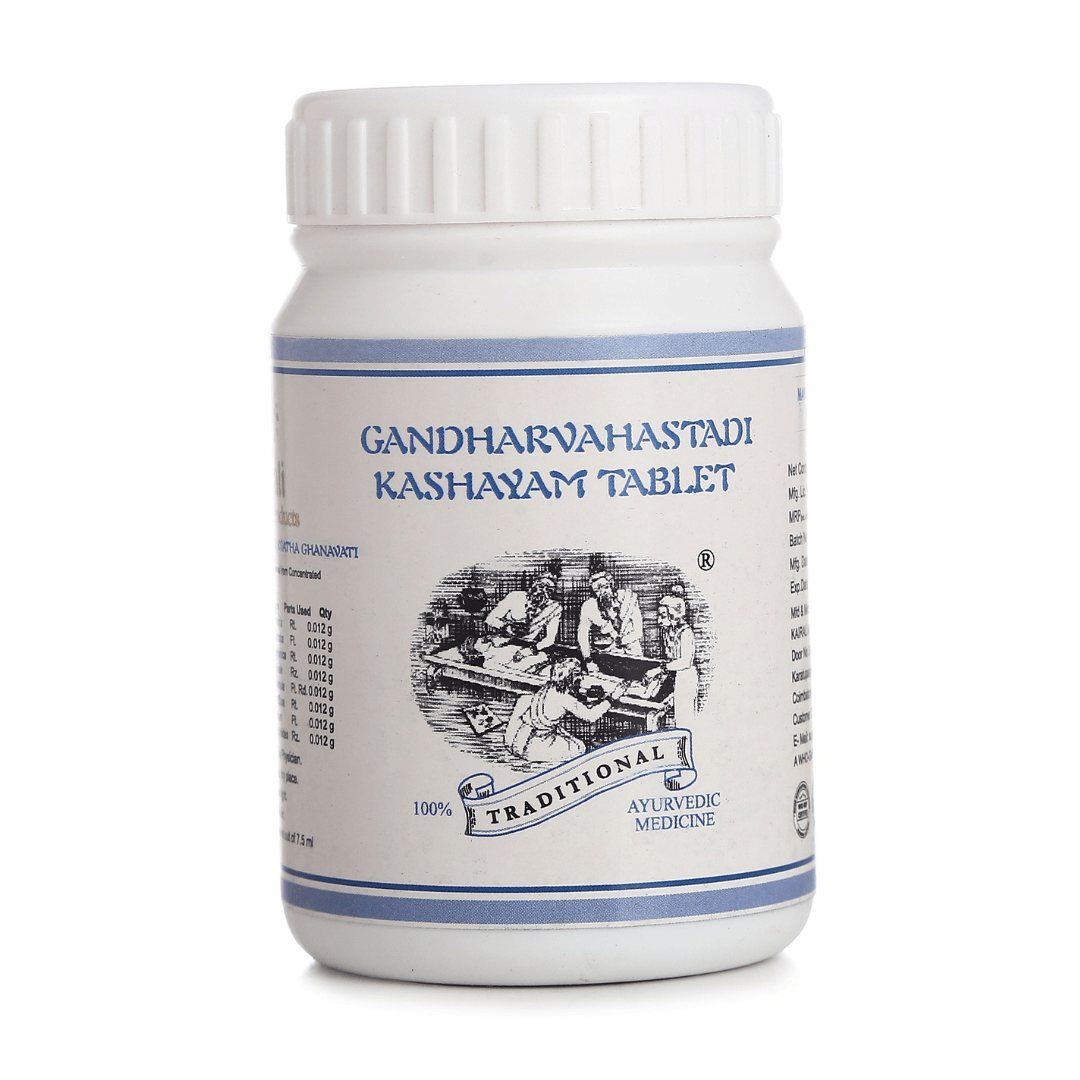
Gandharvahastadi Kashayam Tablet
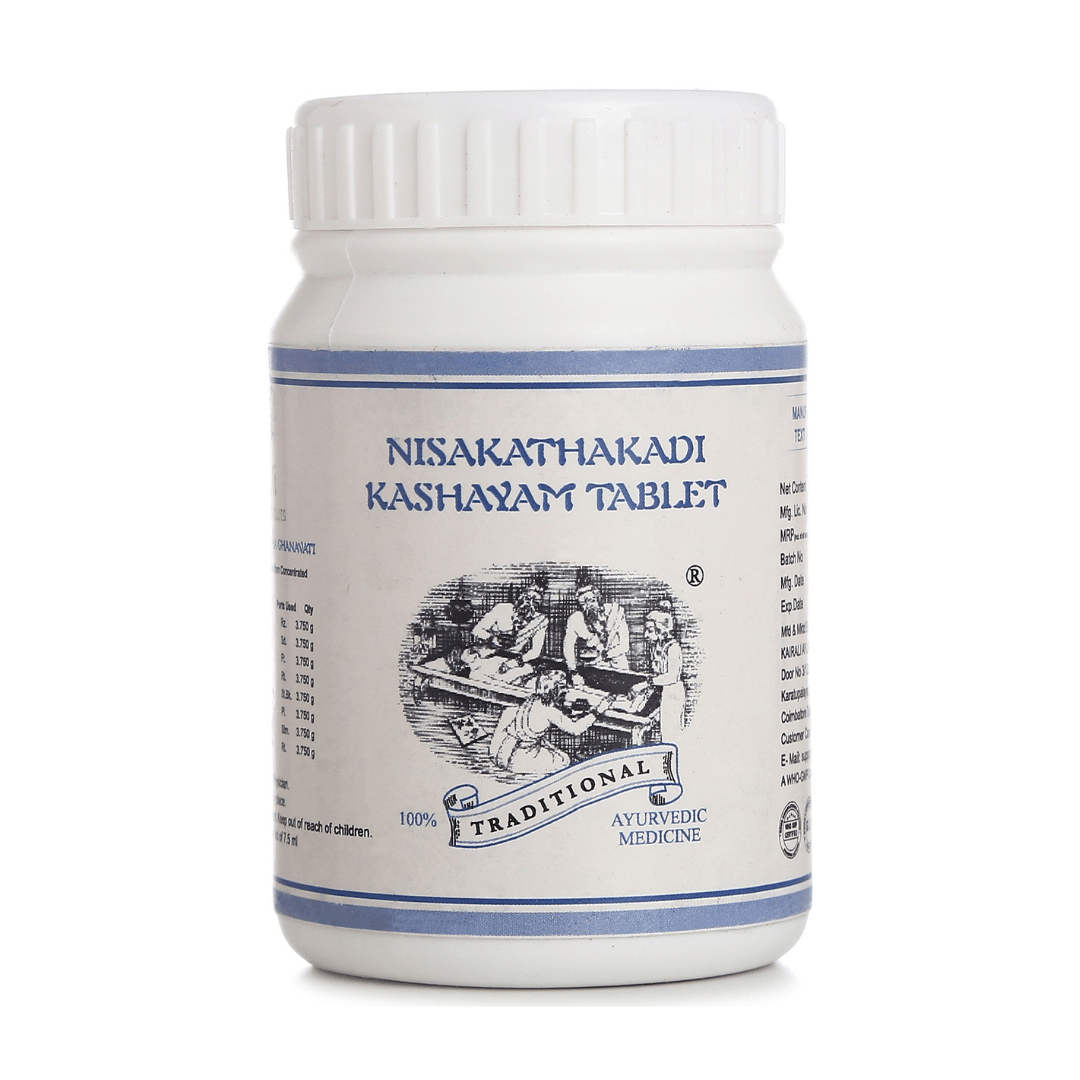
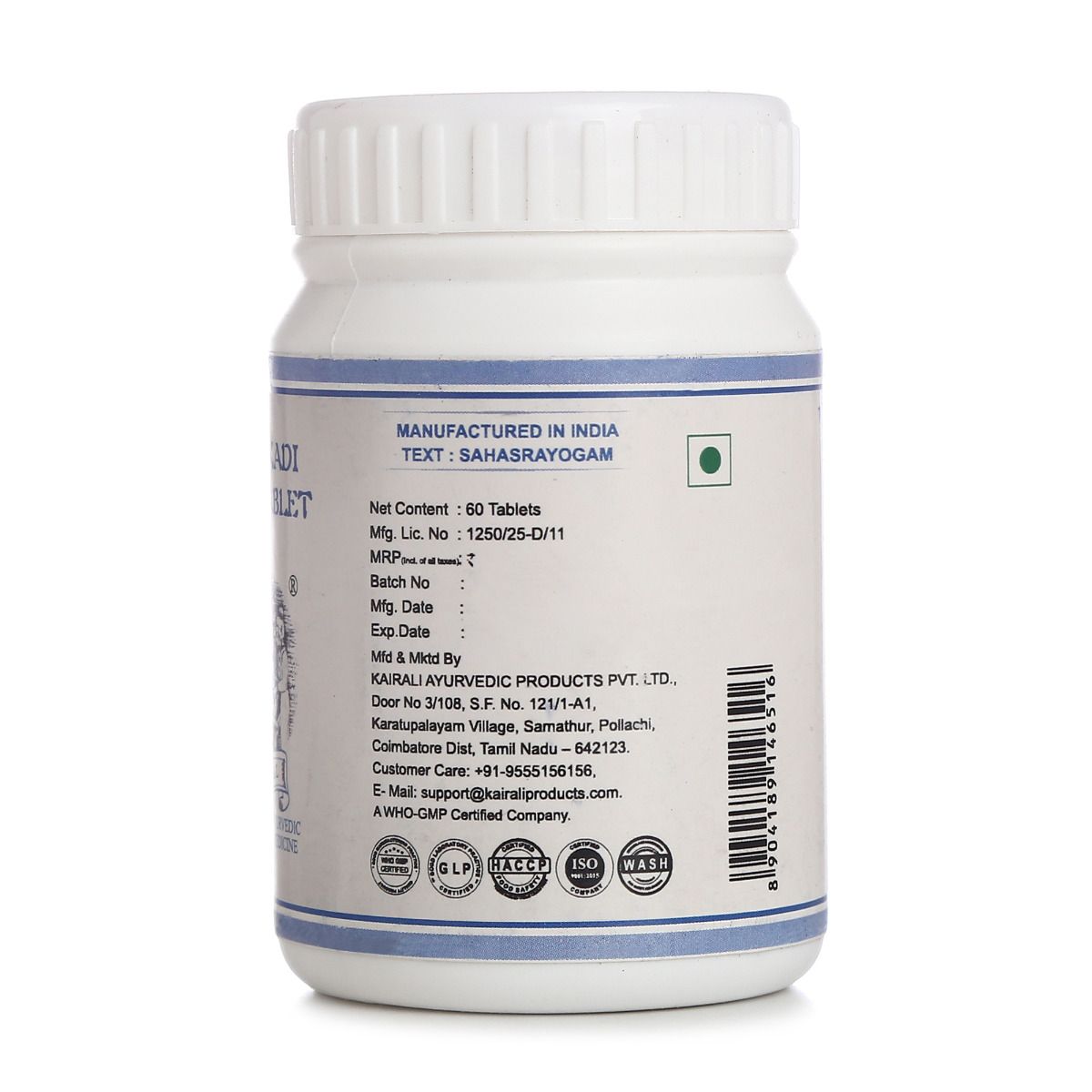
Nishakathakadi Kashayam Tablet
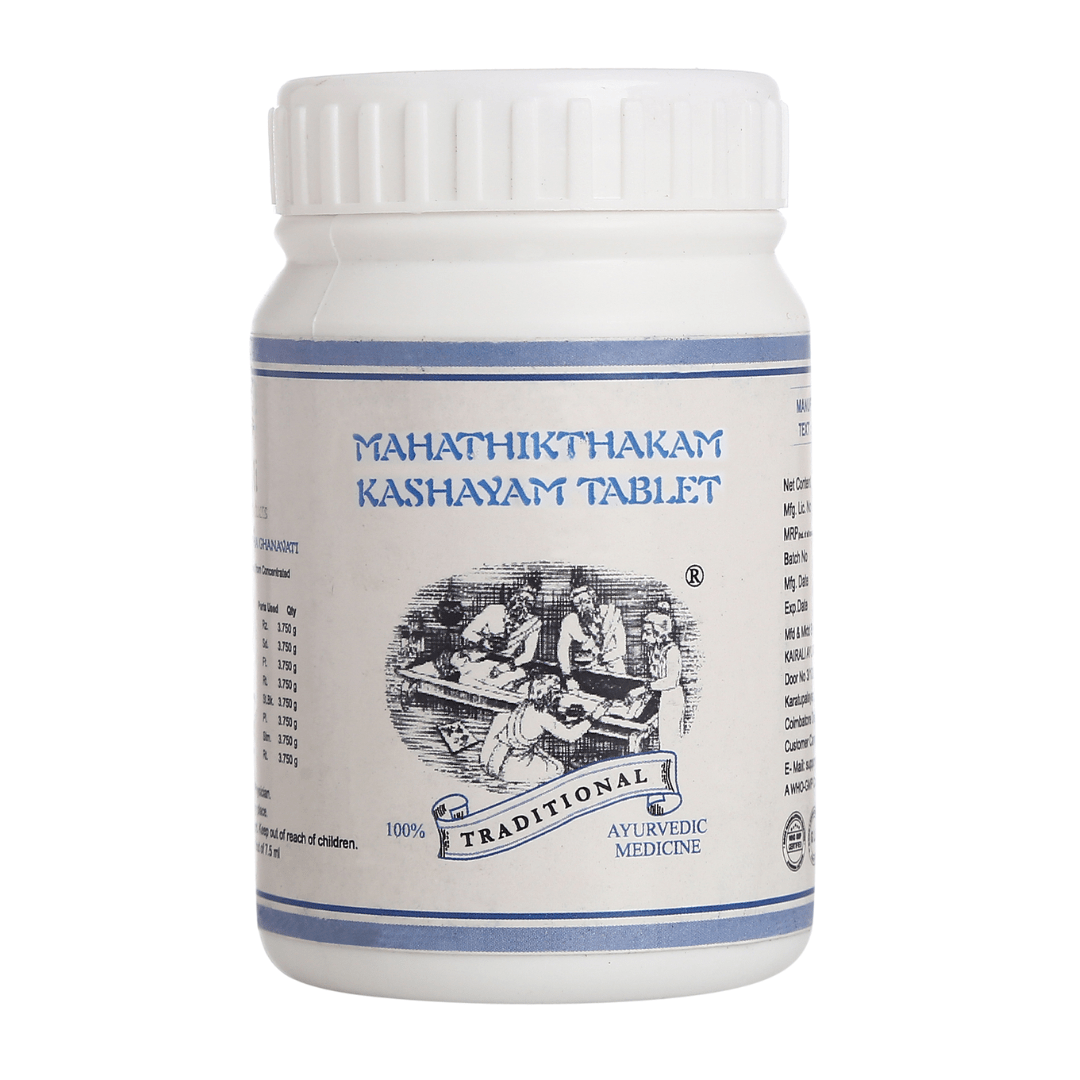
Mahathikthakam Kashayam Tablet
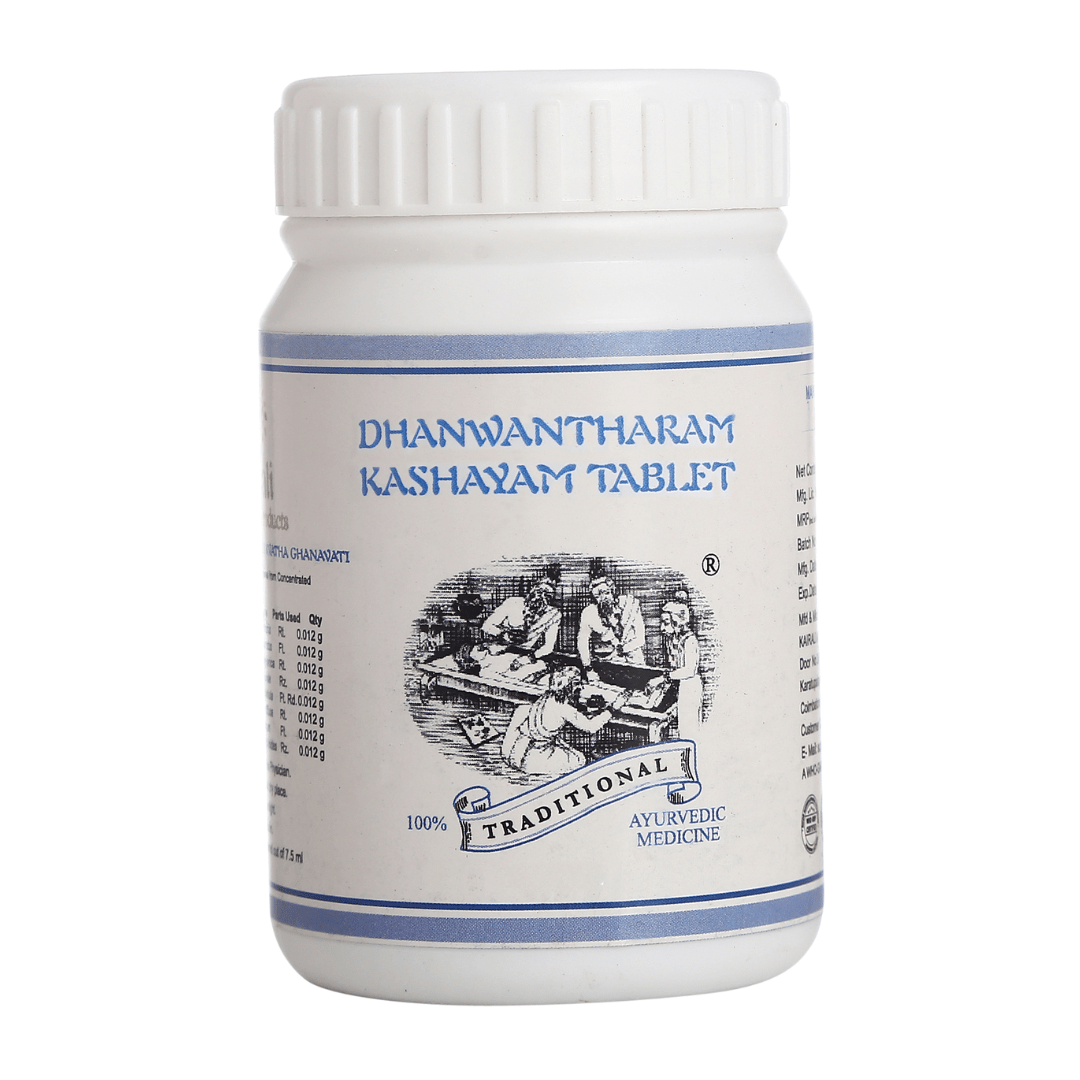
Dhanwantharam Kashayam Tablet
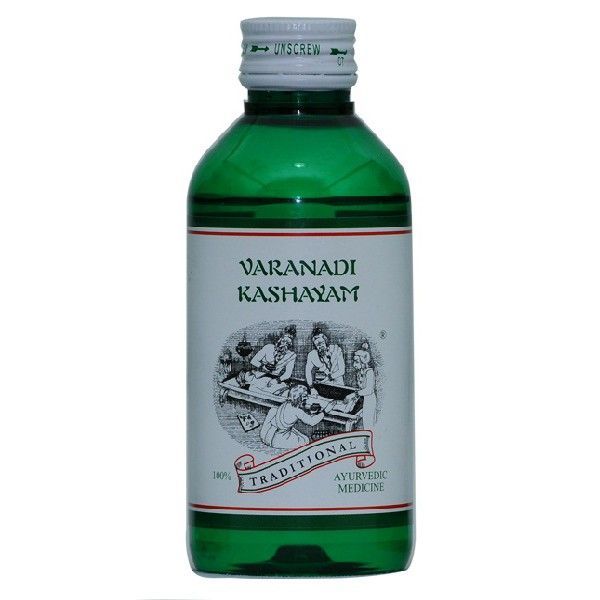
Varanadi Kashayam
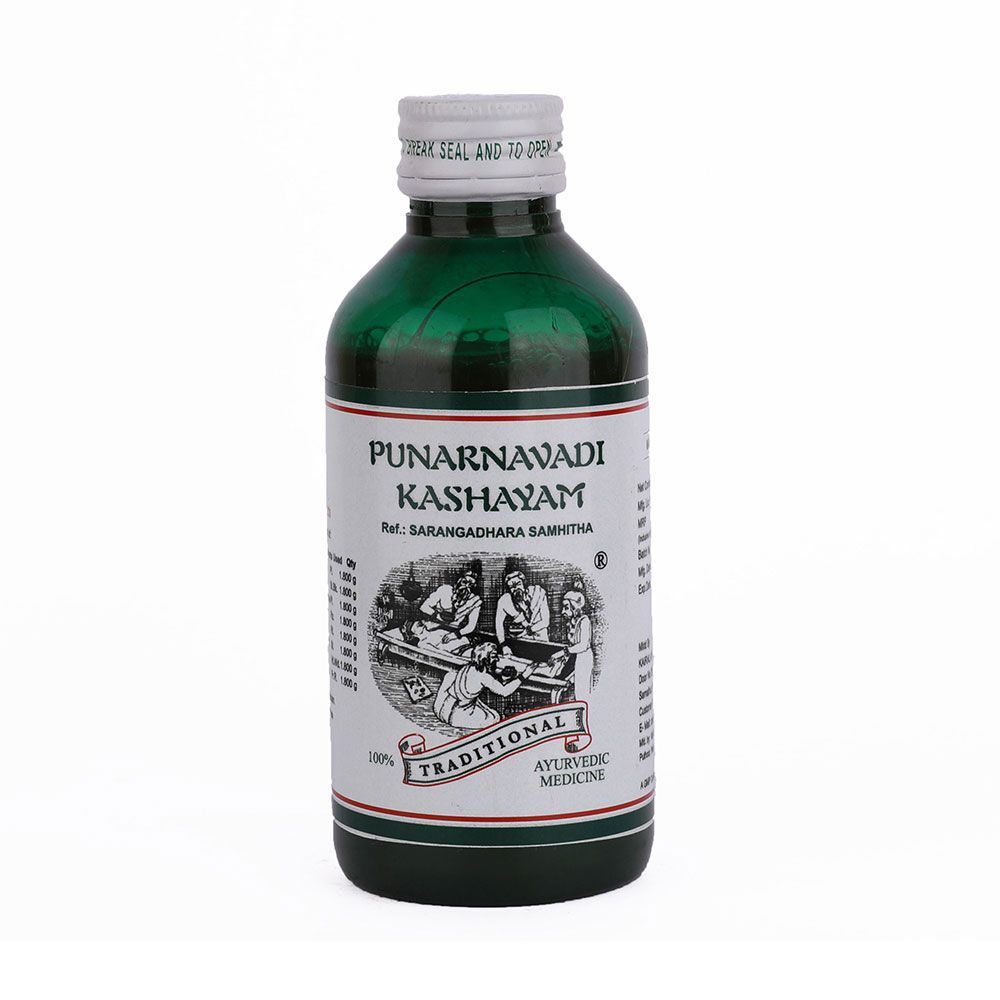
Punarnavadi Kashayam
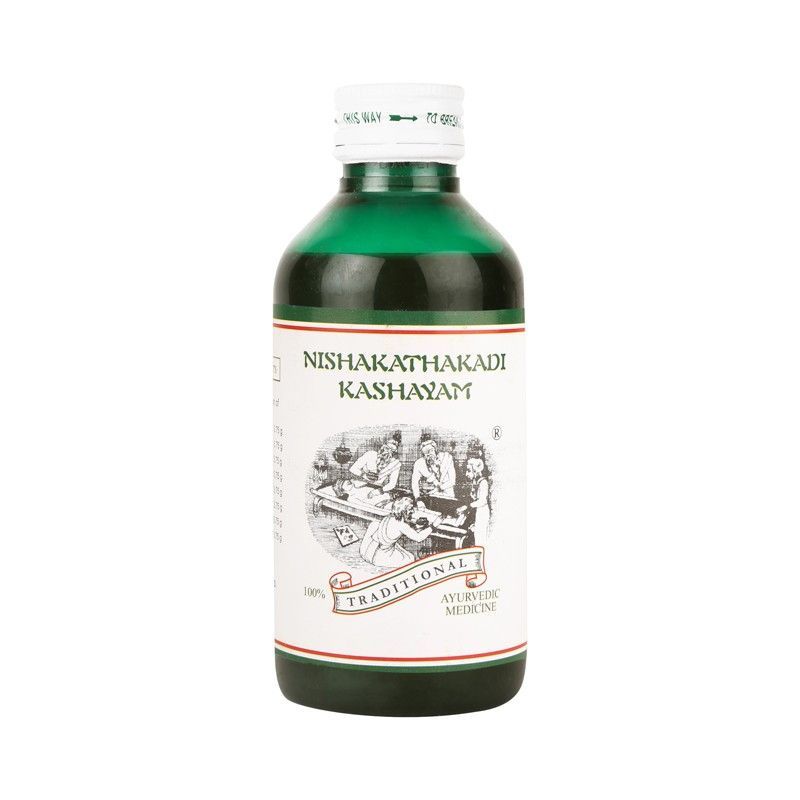
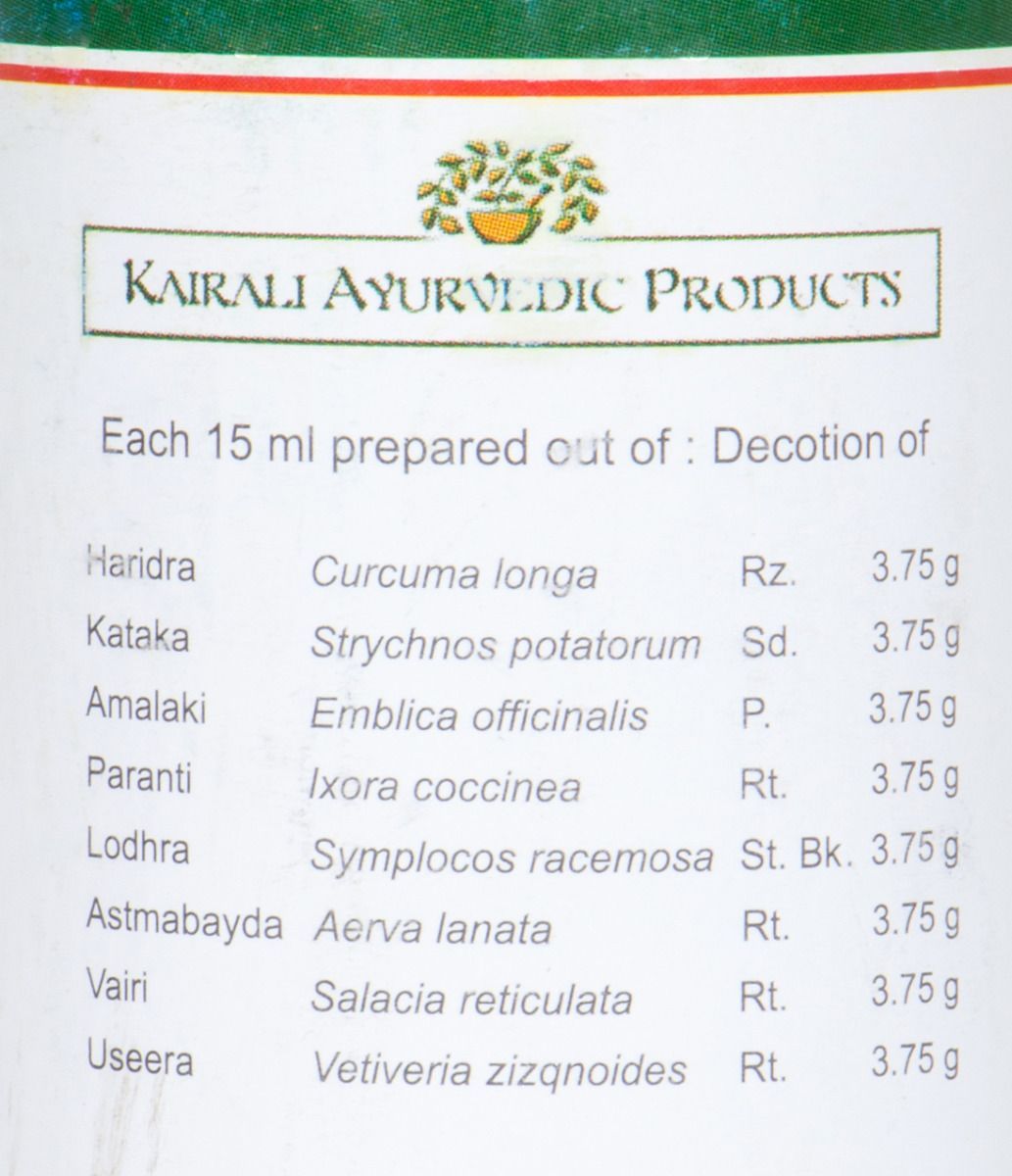
Nishakathakadi Kashayam
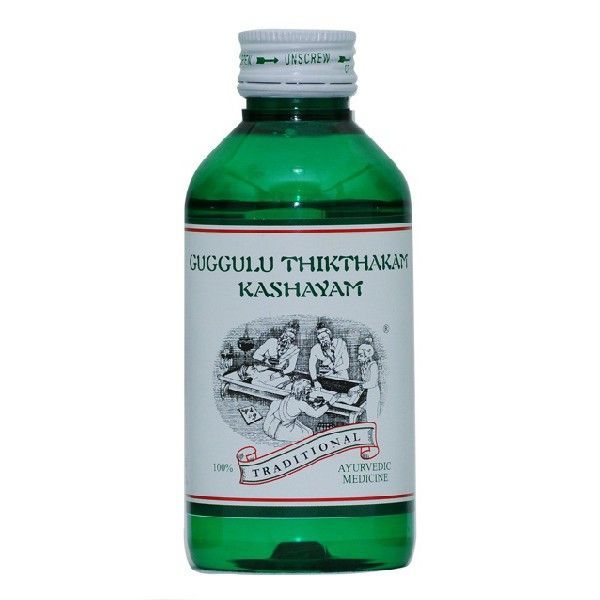
Guggulu Thikthakam Kashayam
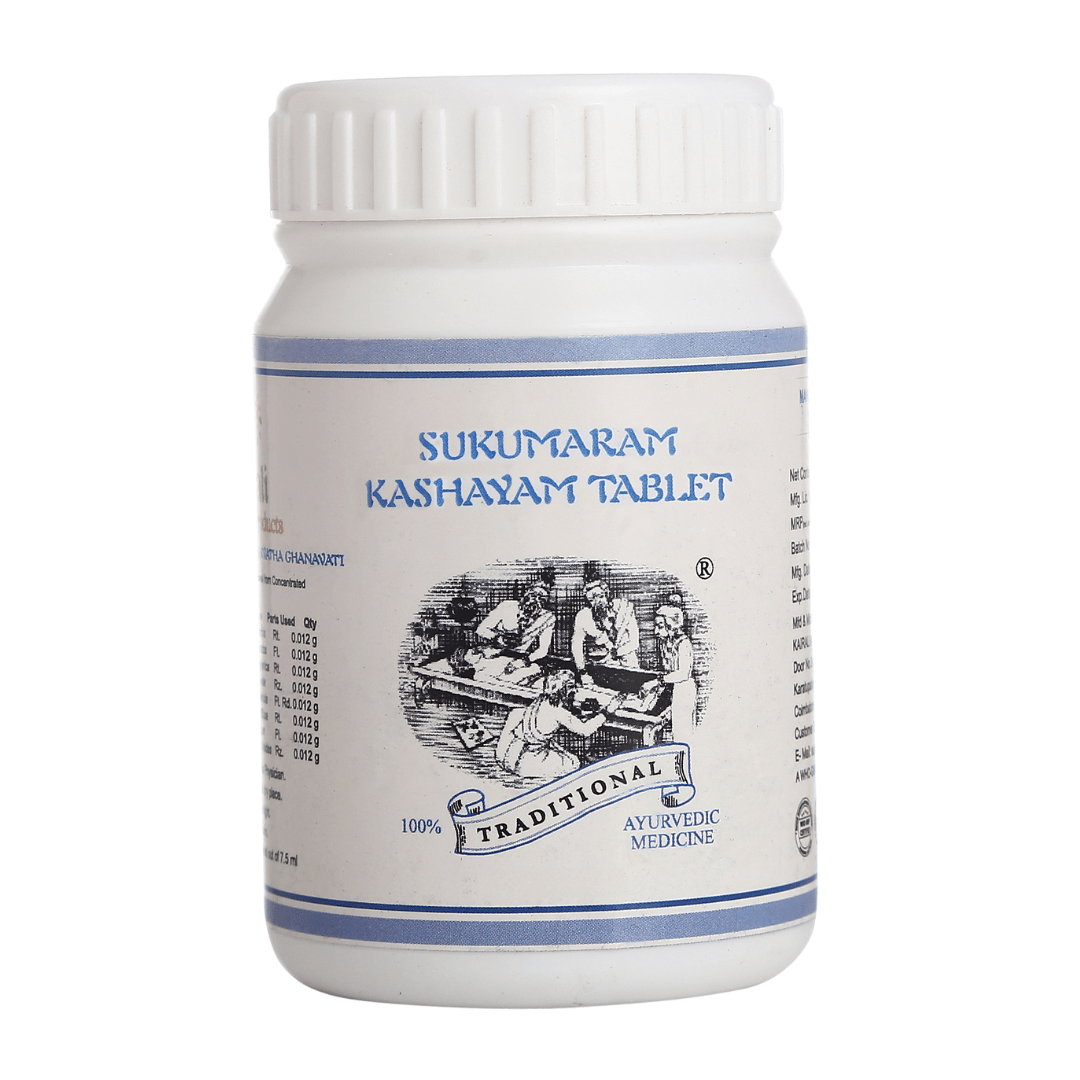
Sukumaram Kashayam Tablet
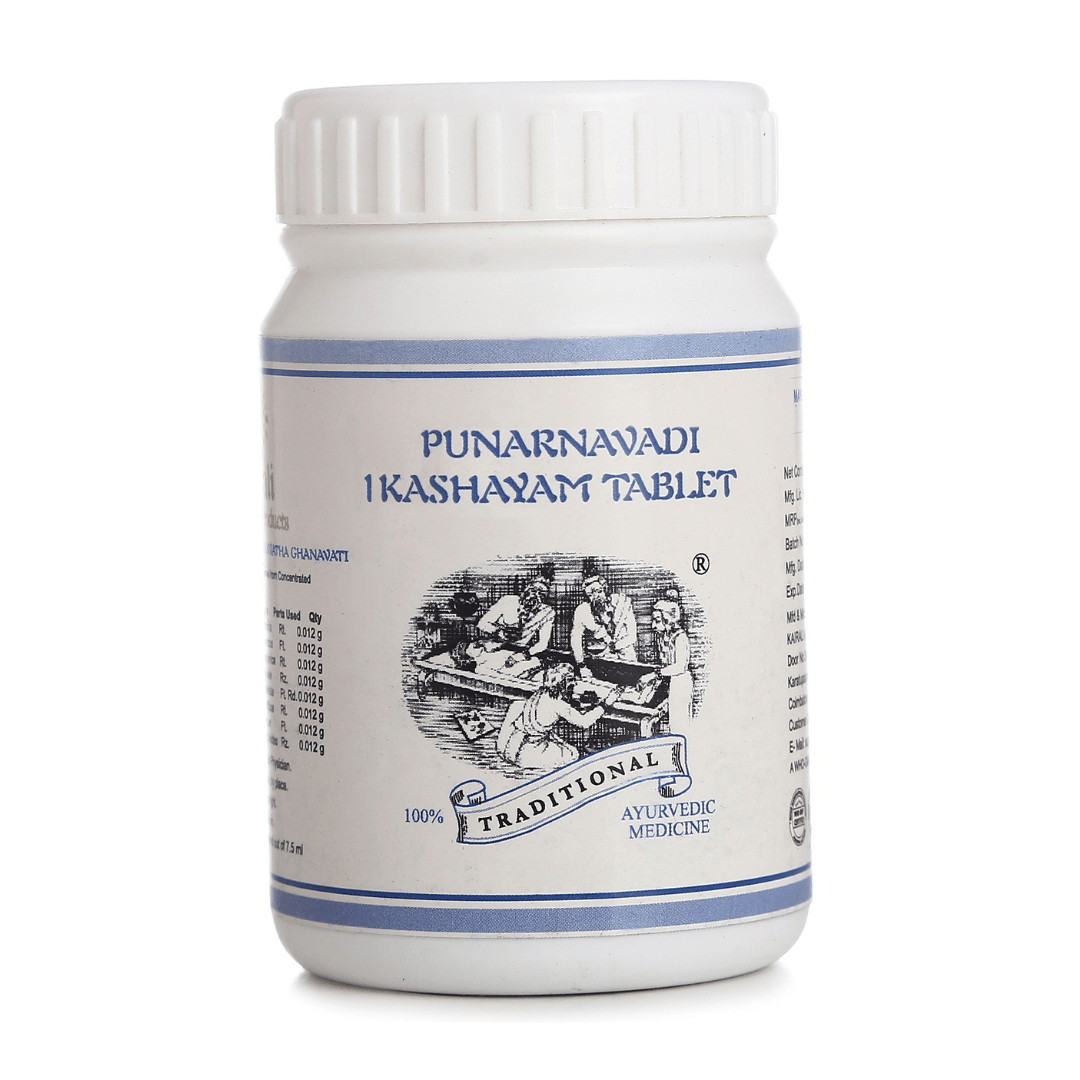
Punarnavadi Kashayam Tablet
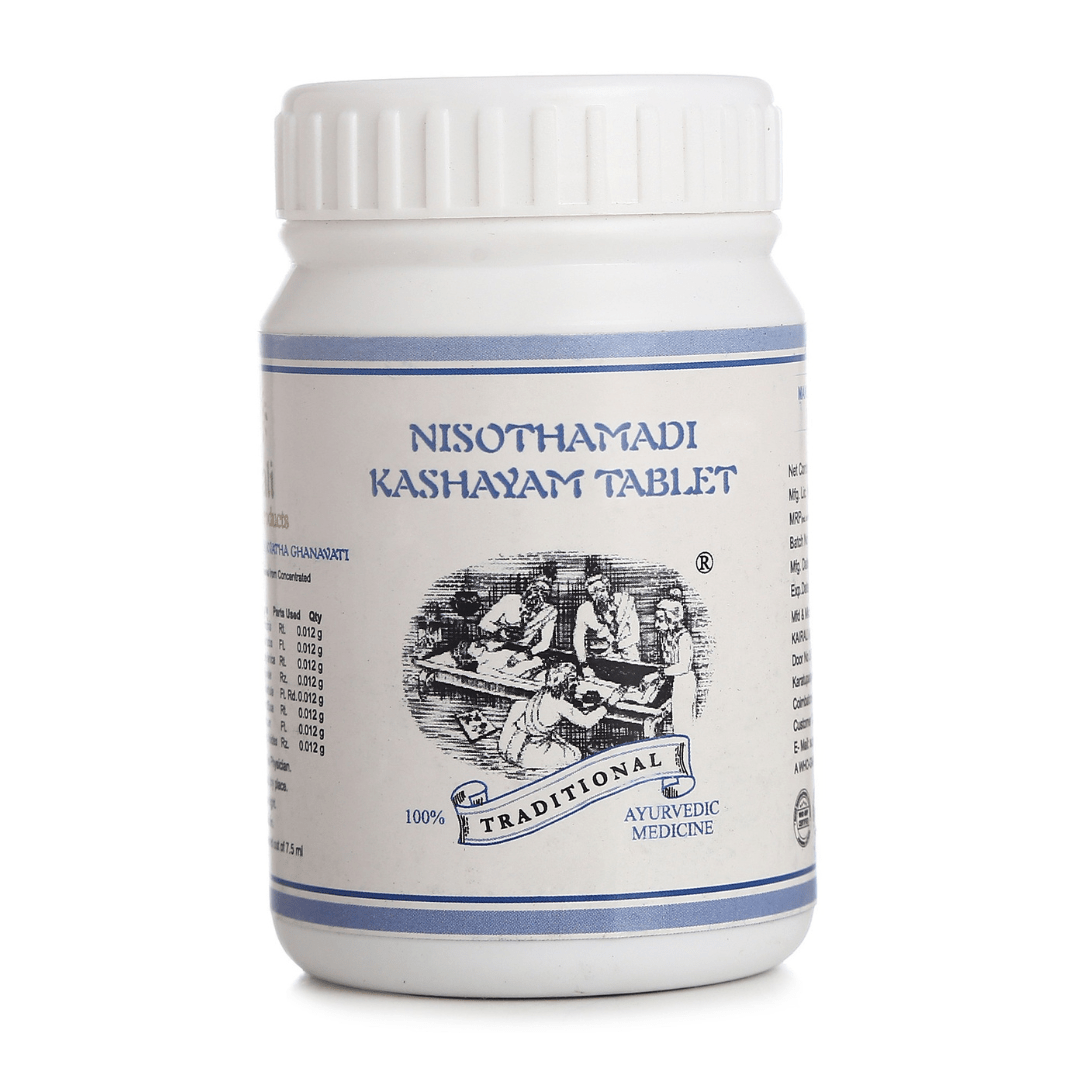
Nisothamadi Kashayam Tablet
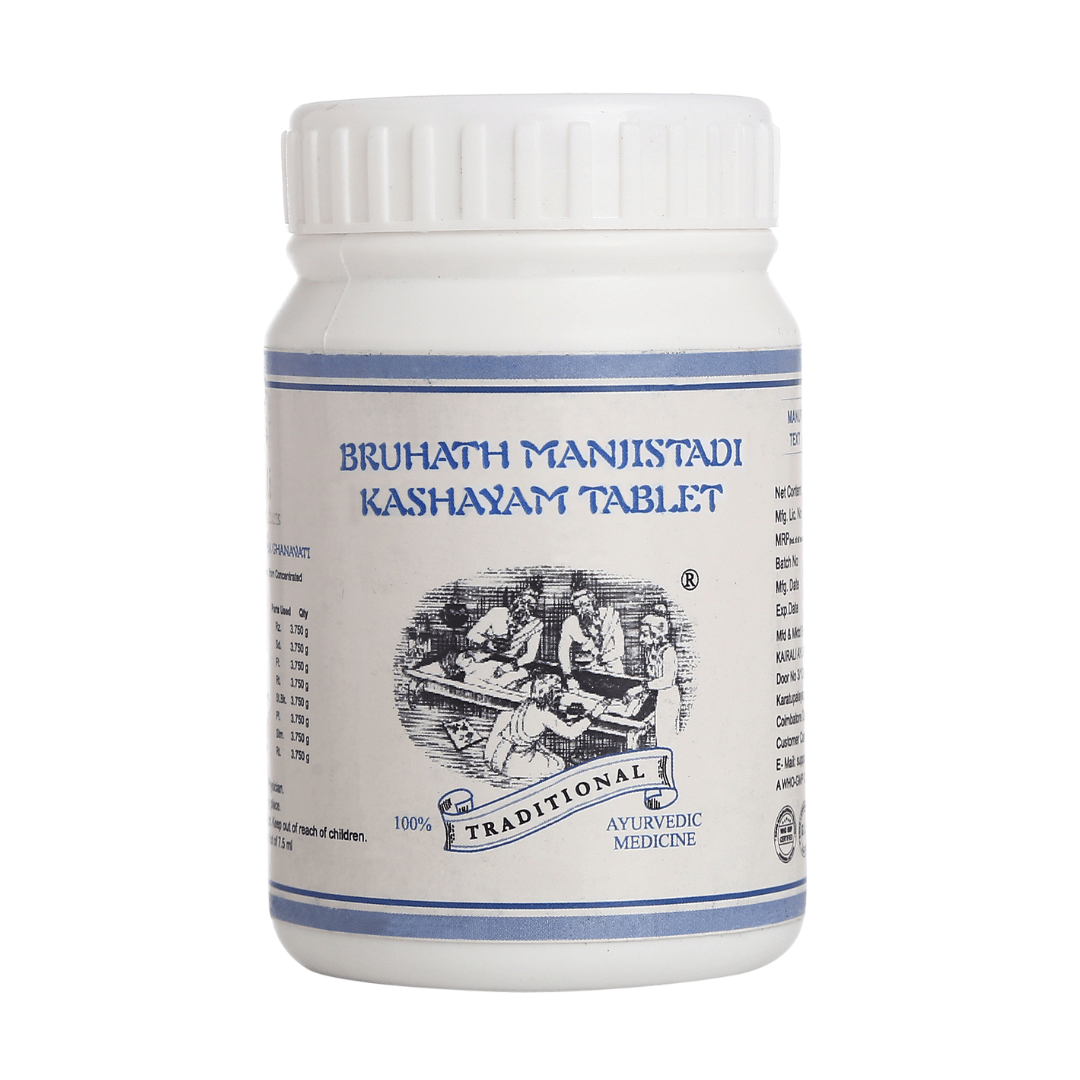
Bruhath Manjishtadi Kashayam Tablet
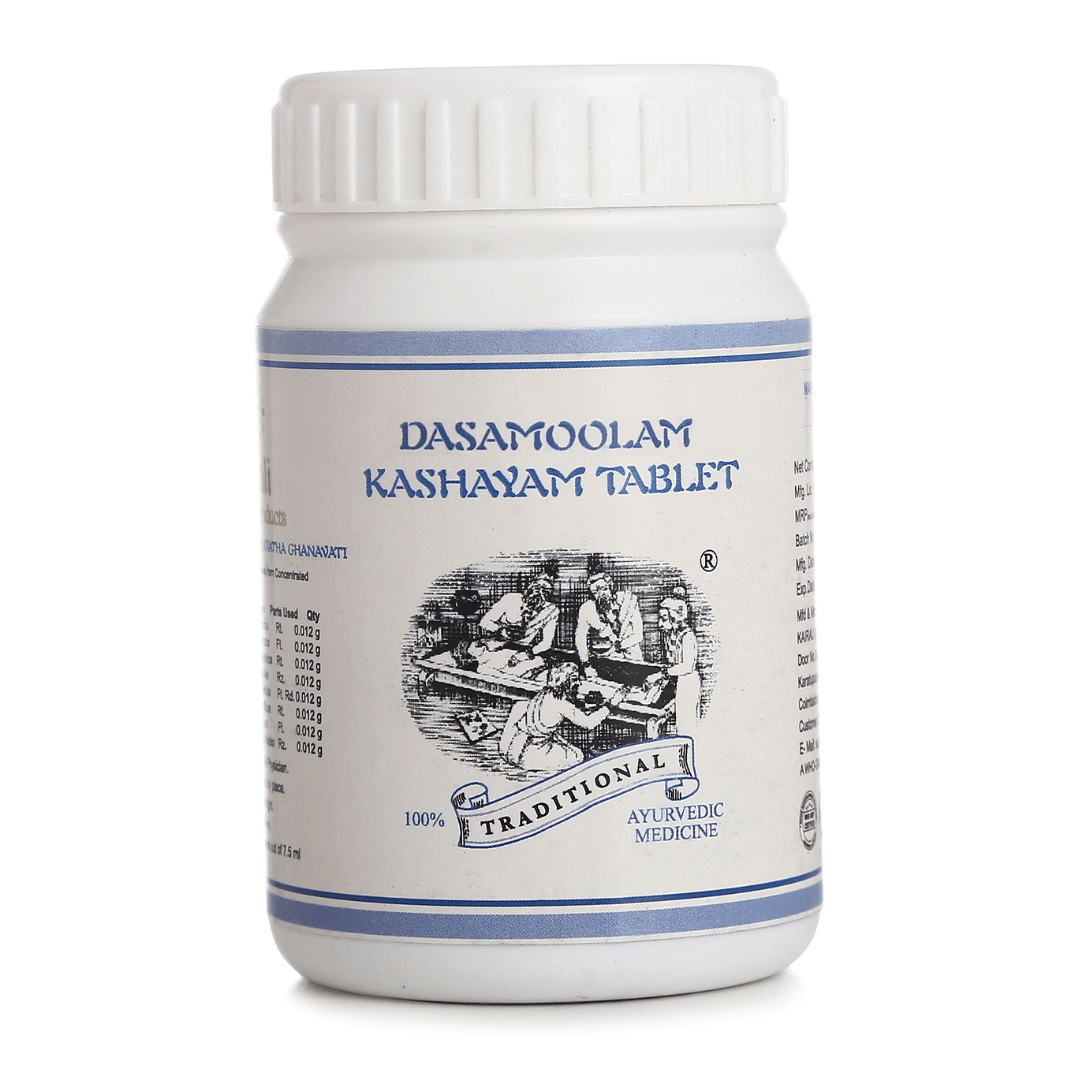
Dasamoolam Kashayam Tablet
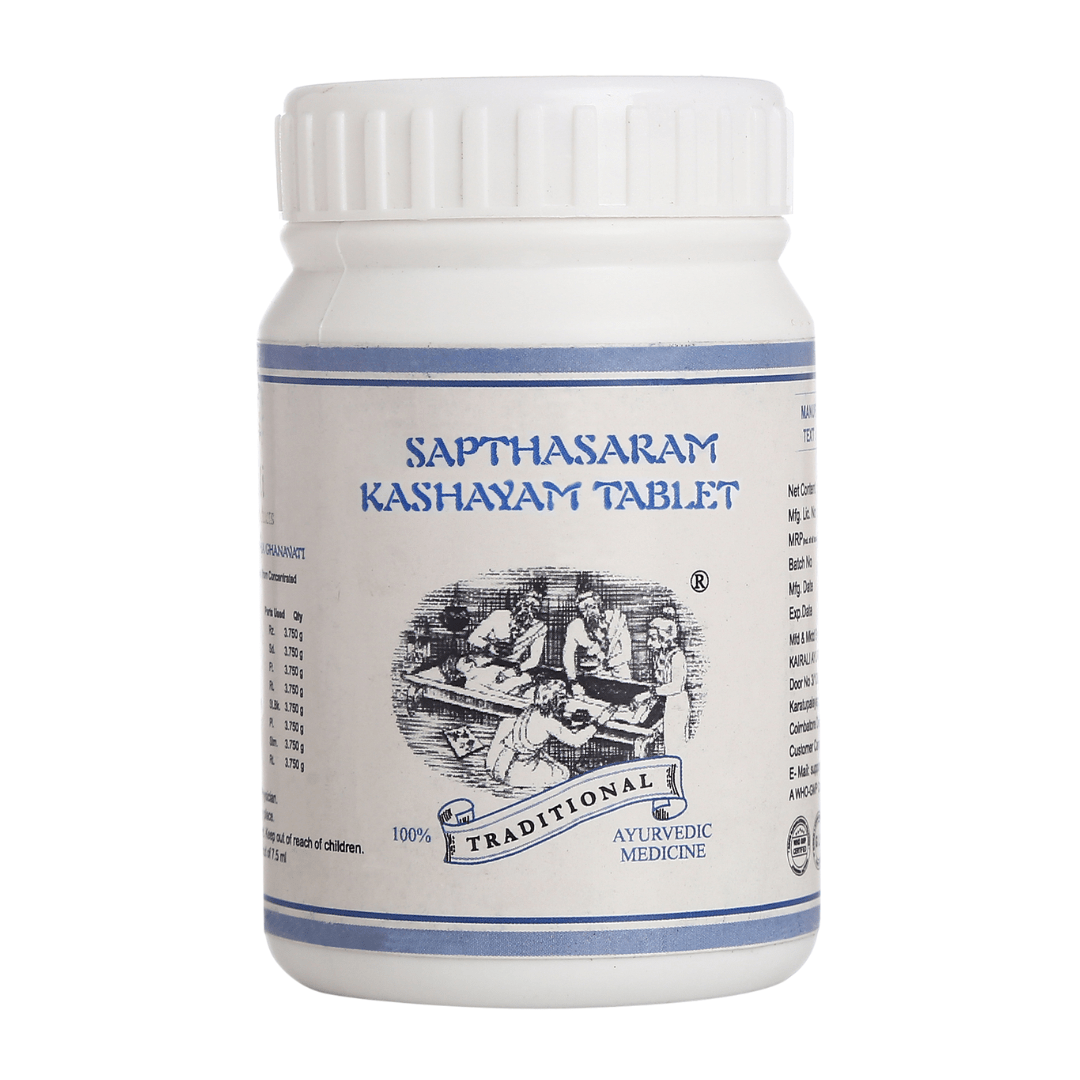
Sapthasaram Kashayam Tablet
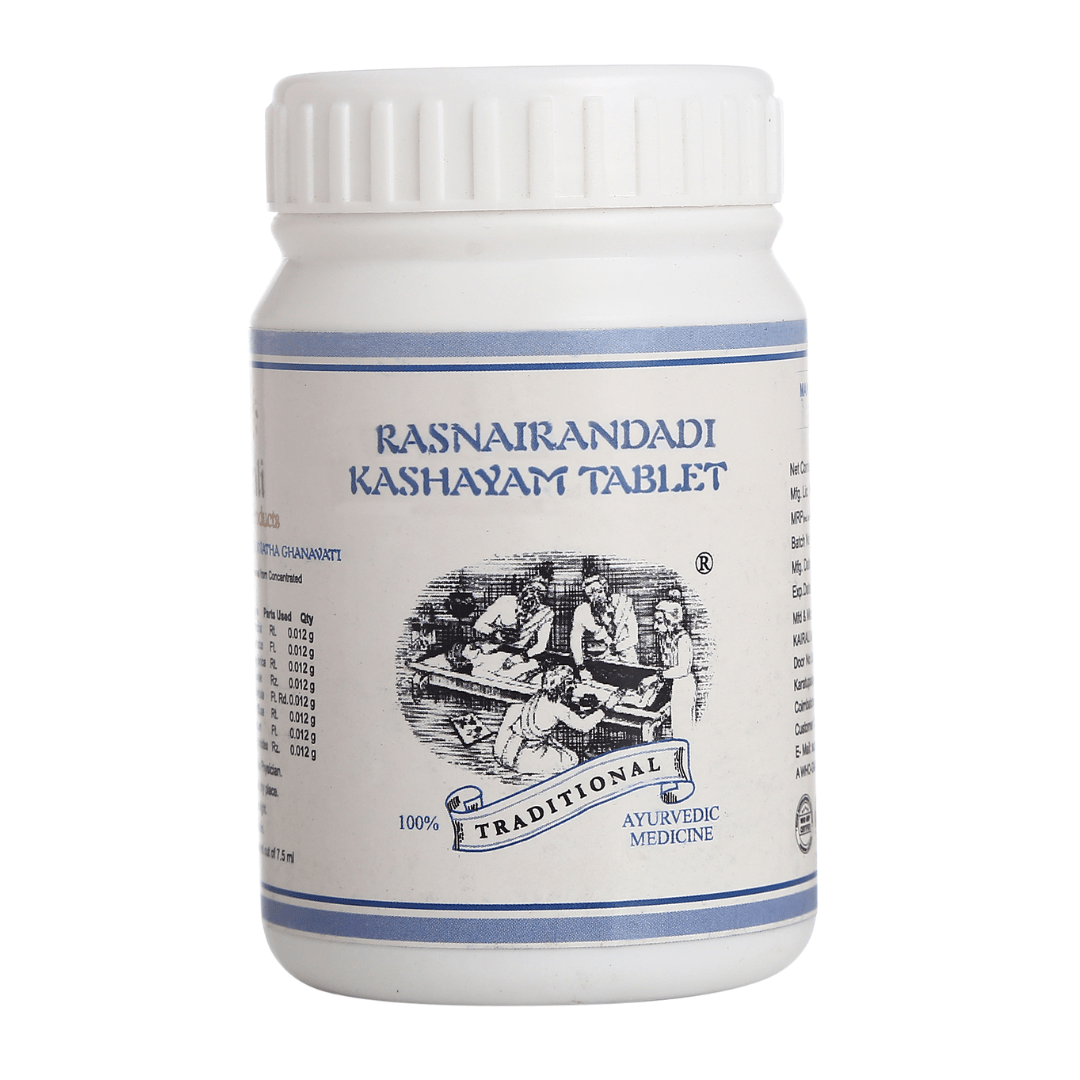
Rasnairandadi kashayam Tablet
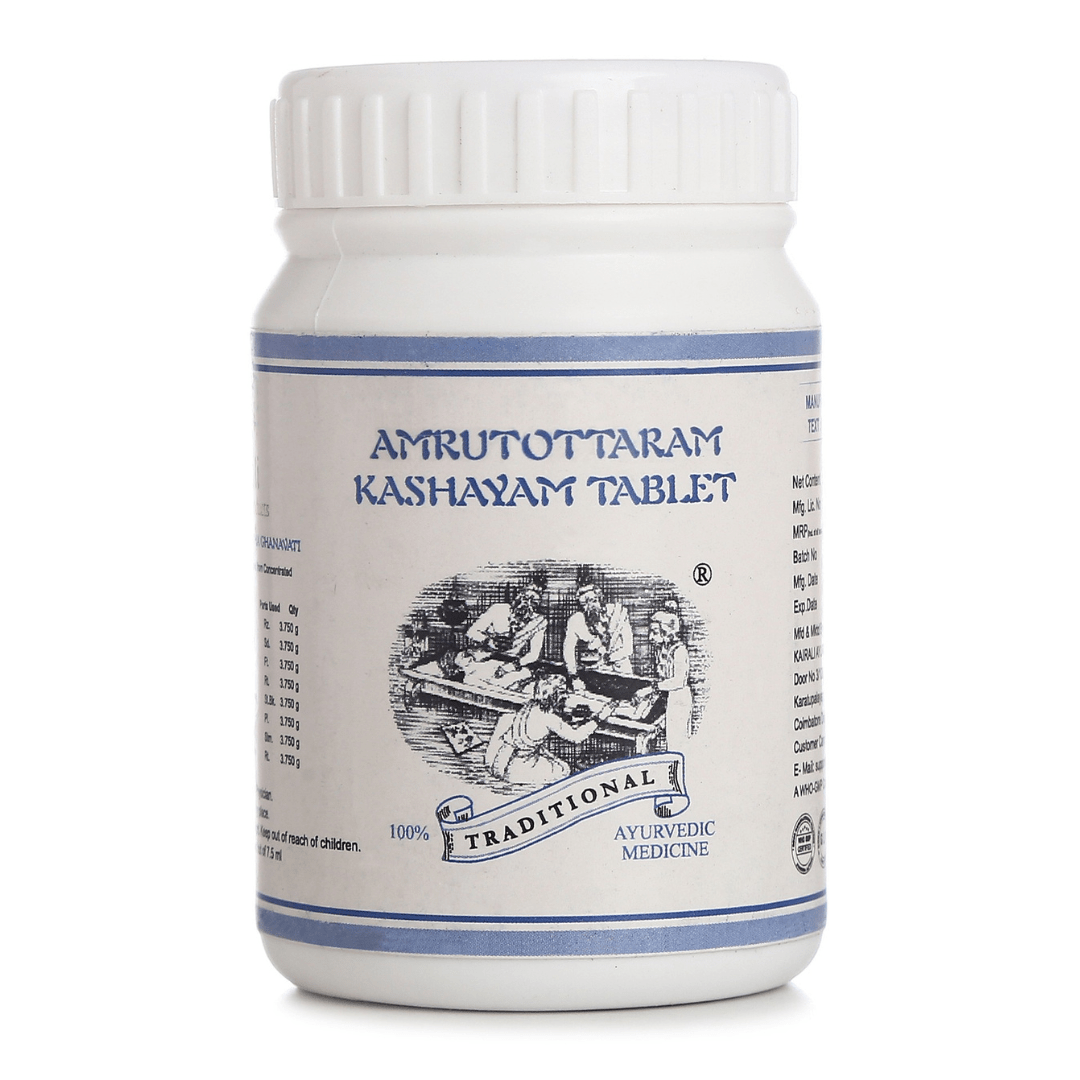
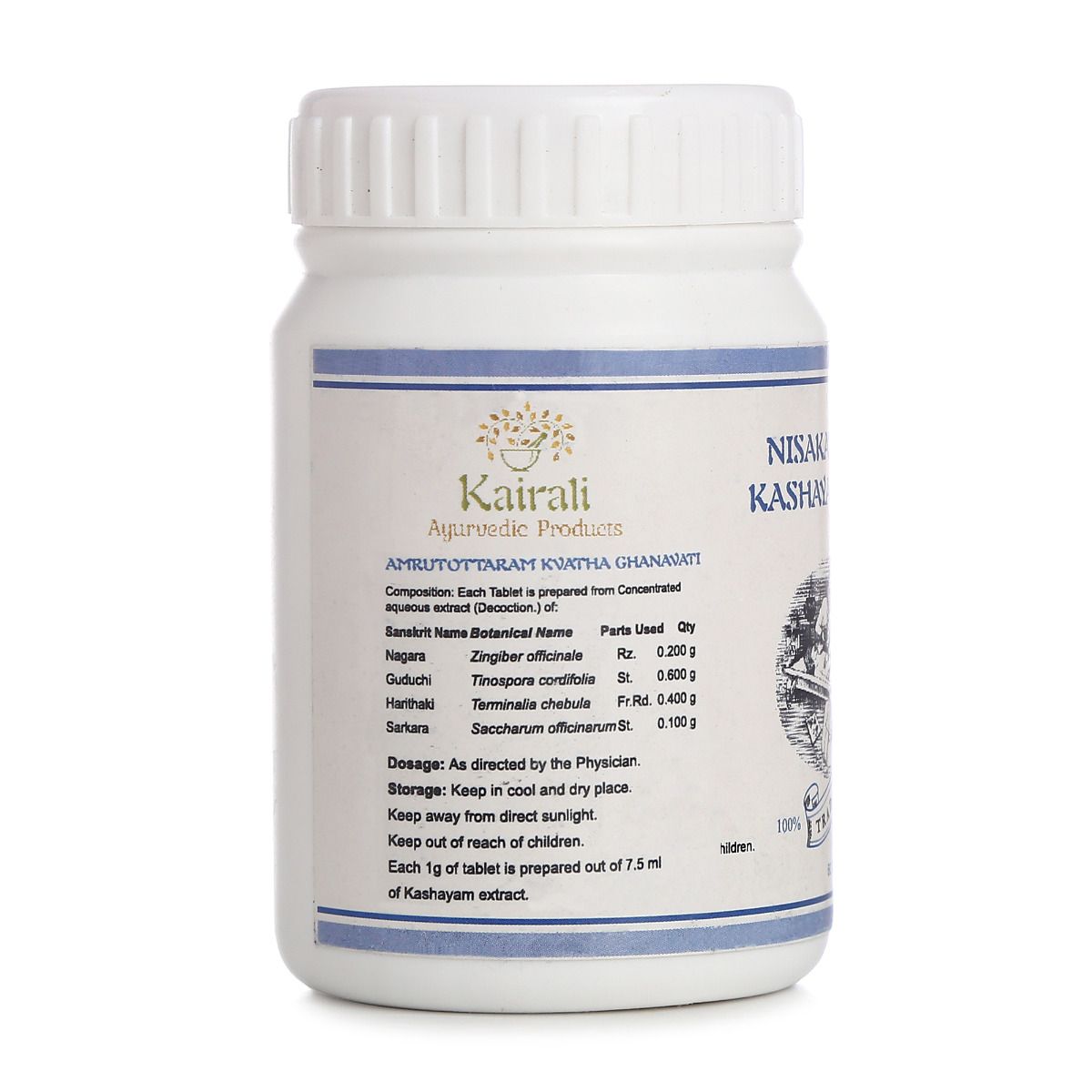
Amruthotharam Kashayam Tablet
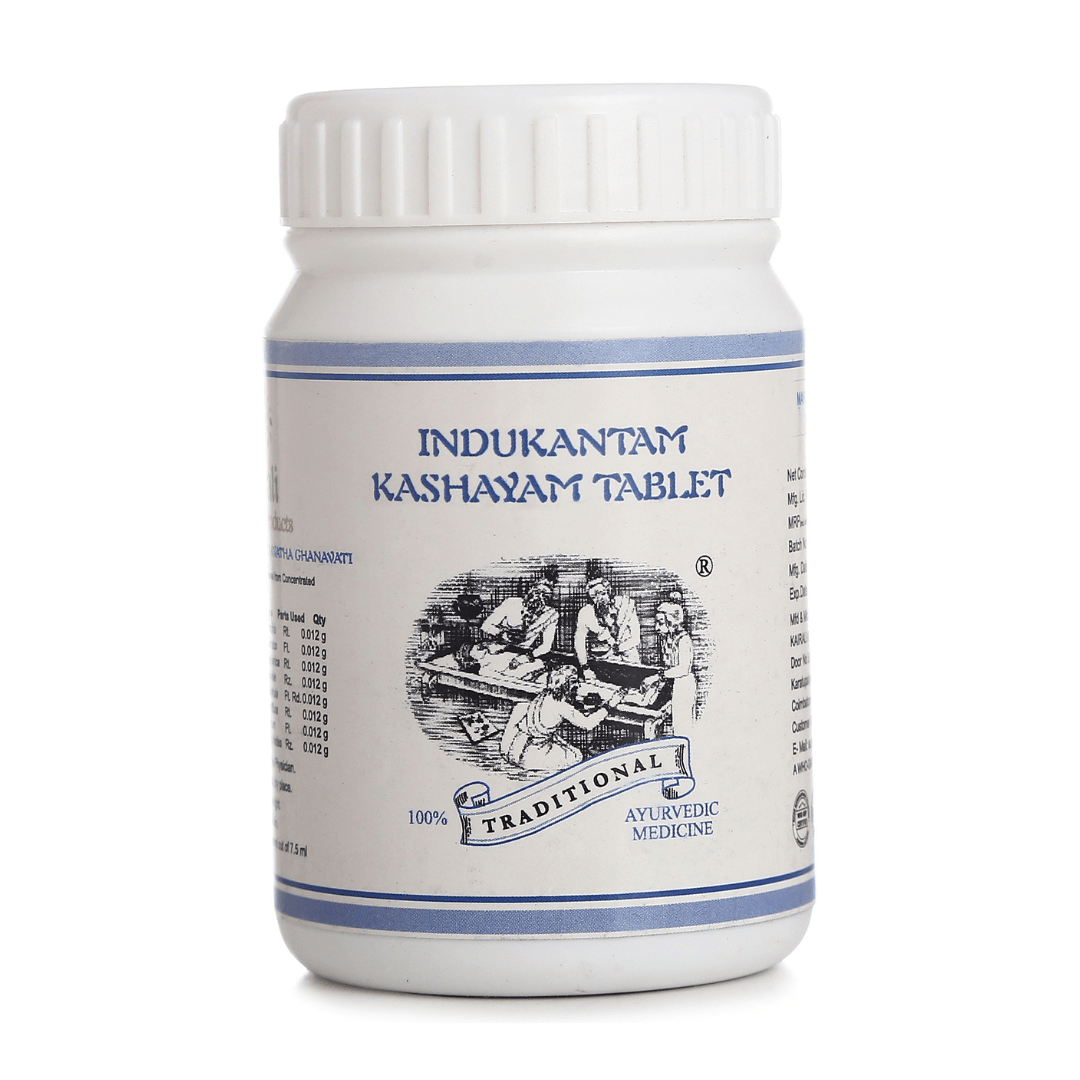
Indukantham Kashayam Tablet
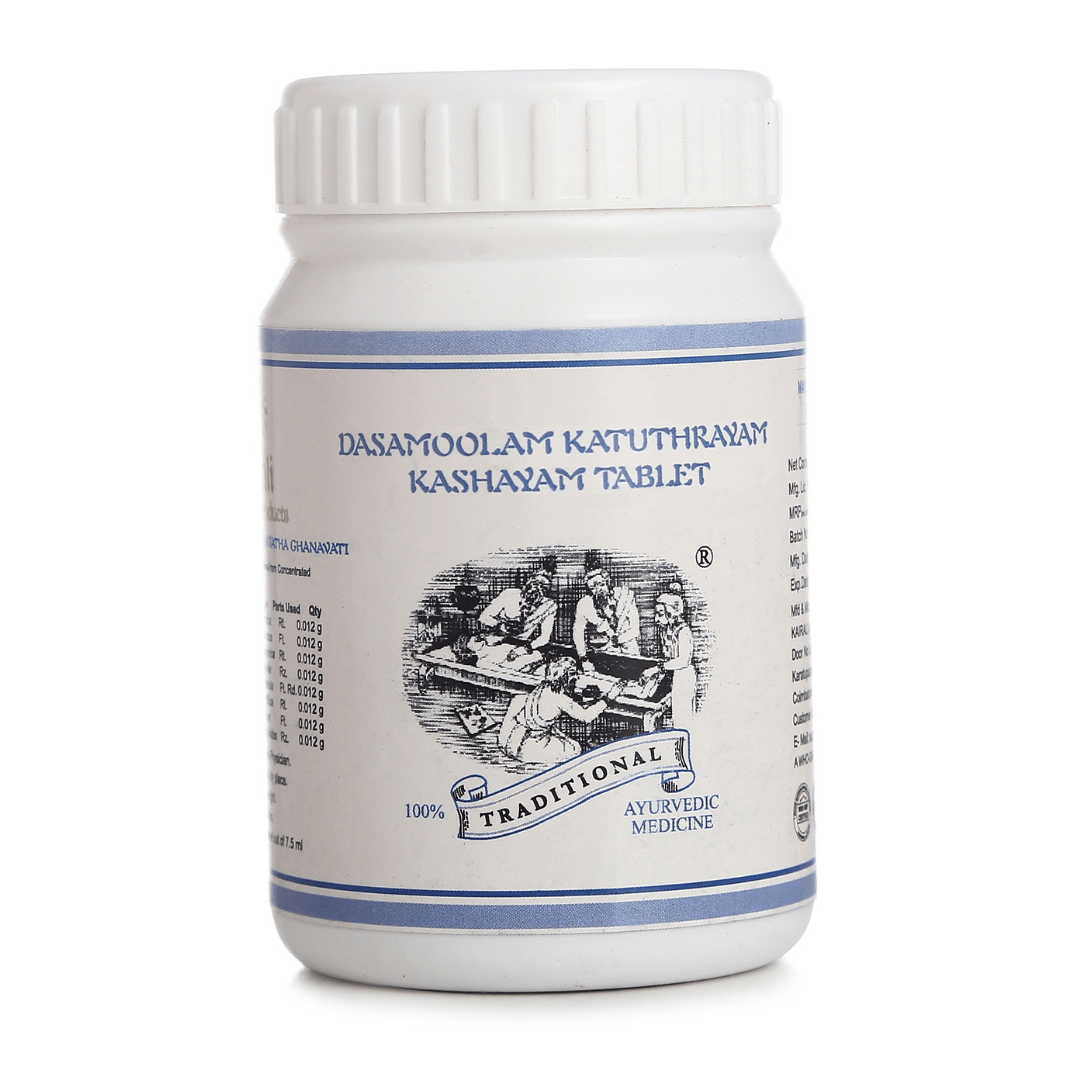
Dasamoolam Katuthurayadi Kashayam Tablet
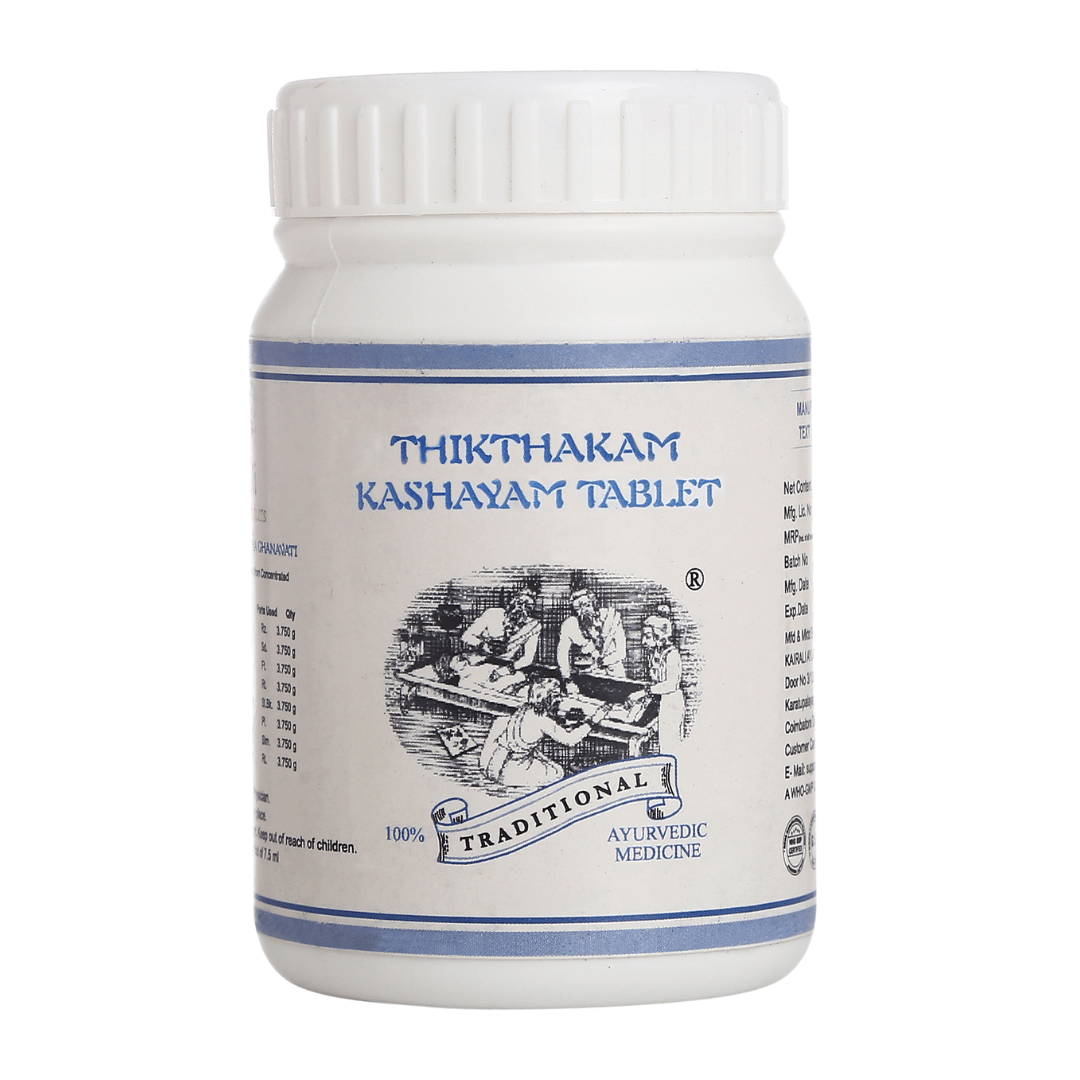
Thikthakam Kashayam Tablet
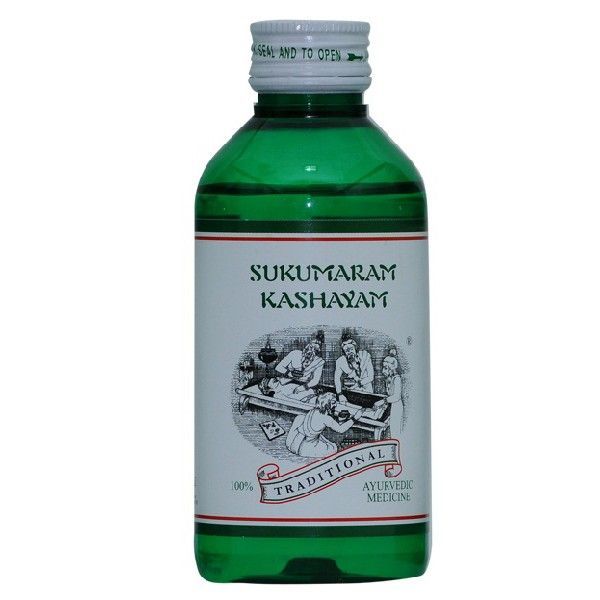
Sukumaram Kashayam
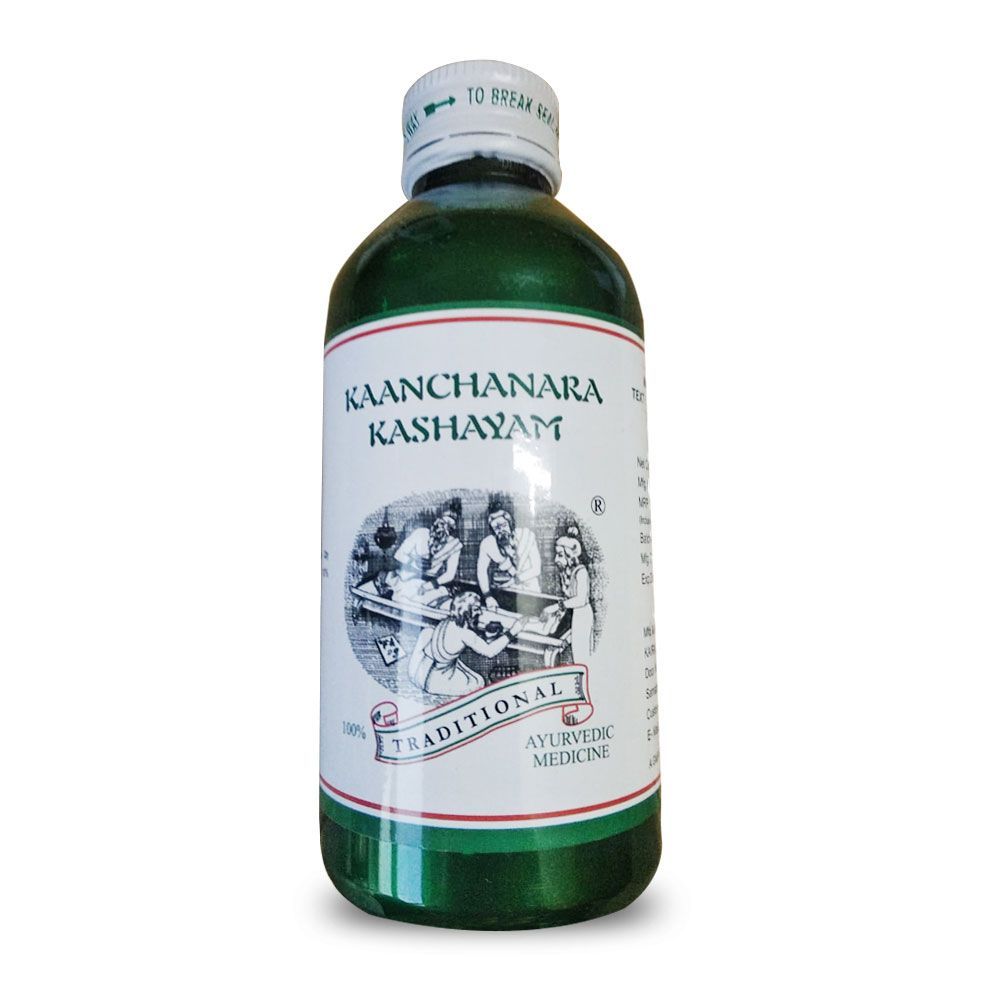
Kaanchanara Kashayam
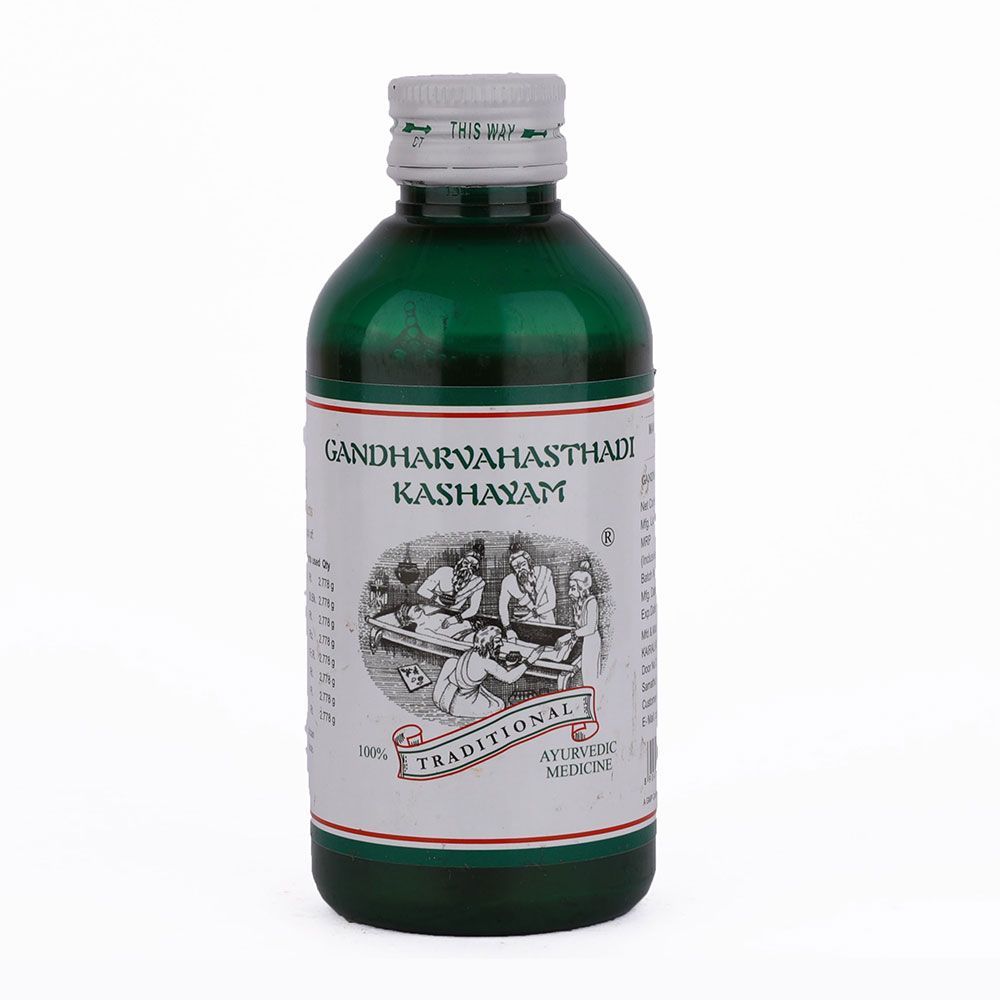
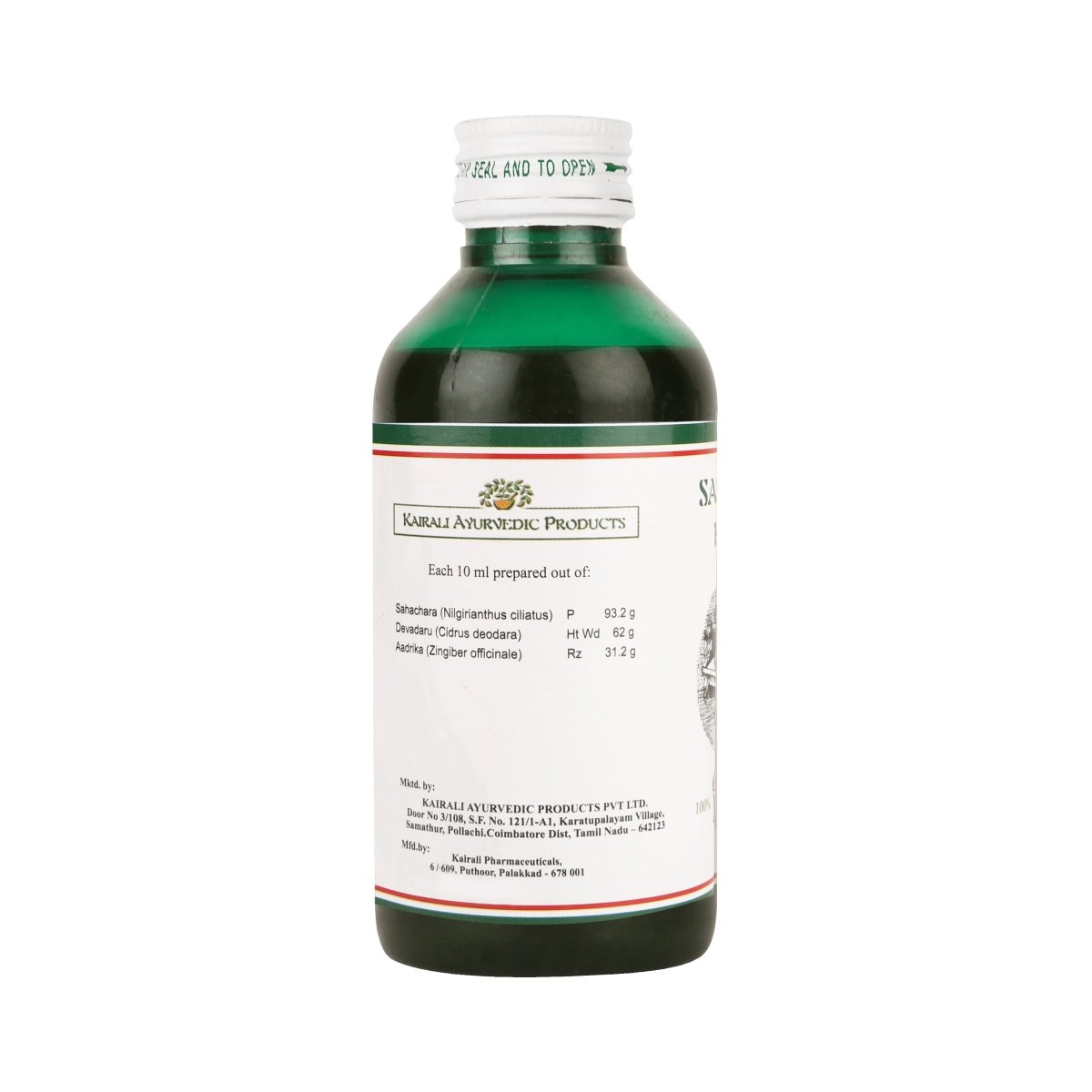
Gandharvahastadi Kashayam
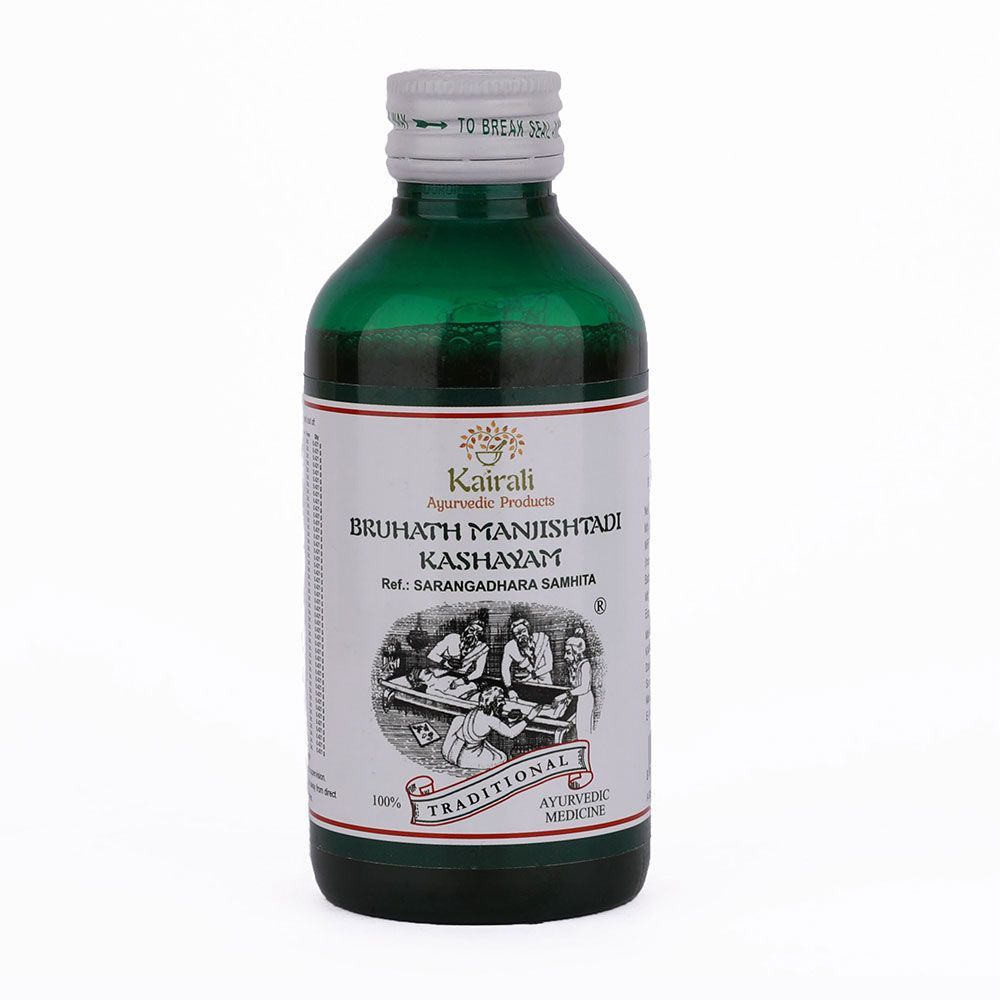
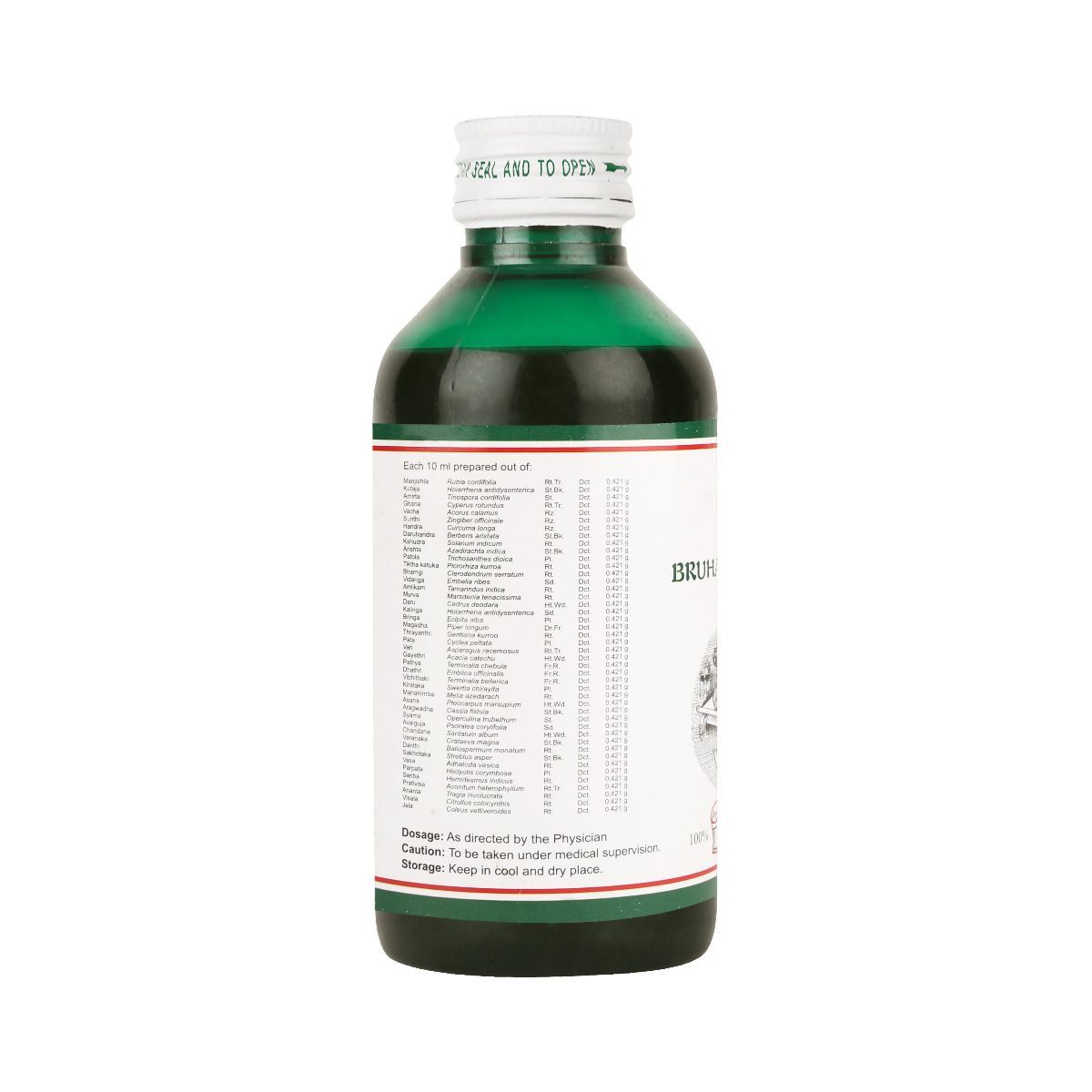
Bruhath Manjishtadi Kashayam
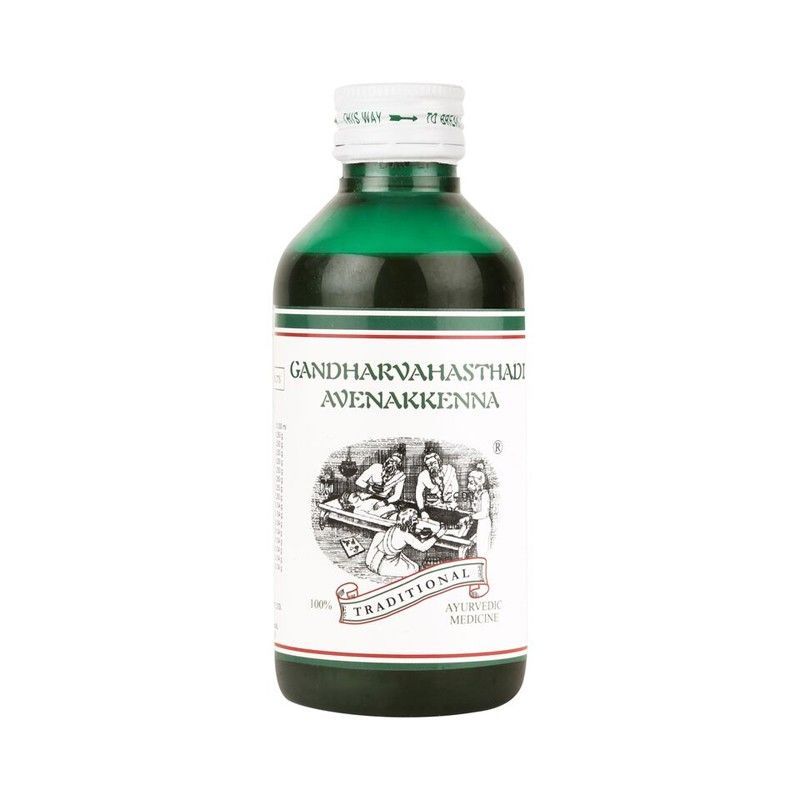
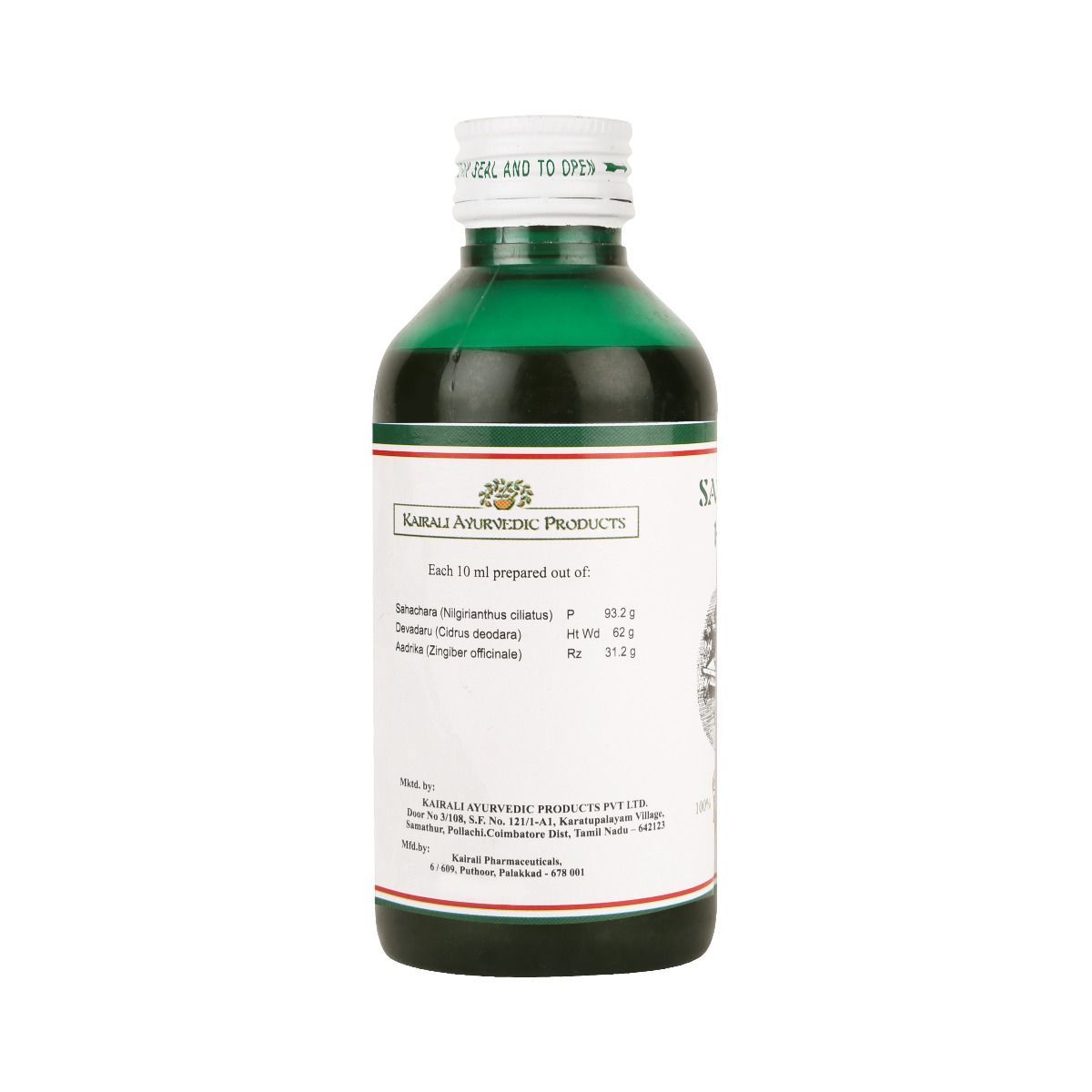
Gandharvahasthadi Avenakkenna
Liquid or tablet, and why that is a practical choice
A kashayam is made by boiling herbs in water and reducing the liquid until what remains is concentrated. It is among the oldest preparations in the classical literature and still the reference form: when a text specifies a kashayam, the decoction is what it means.
It is also bitter, and there is no use pretending otherwise. That single fact is why the kashayam tablet exists and why it now outnumbers the liquid on this shelf. The tablet carries the same recipe in a form that survives a suitcase and a working day. Practitioners who care about potency still tend to ask for the decoction; people who have to keep something up for eight weeks often do better with the tablet. Both are on this page deliberately.
The three decisions in front of you
- Liquid kashayam — The traditional preparation, measured and diluted as the label directs. Strong taste, and it needs a routine to keep up.
- Kashayam tablet — The same classical recipes in a tablet. Far easier to maintain when travelling, and easier to dose without a measure.
- The anupana — What you take it with — usually warm water, sometimes milk. The label specifies it, and it is part of the preparation, not a garnish.
Always read the label and directions on the pack you receive, and speak with your physician before starting anything new — particularly if you are pregnant, nursing, managing a health condition or taking prescription medicine.